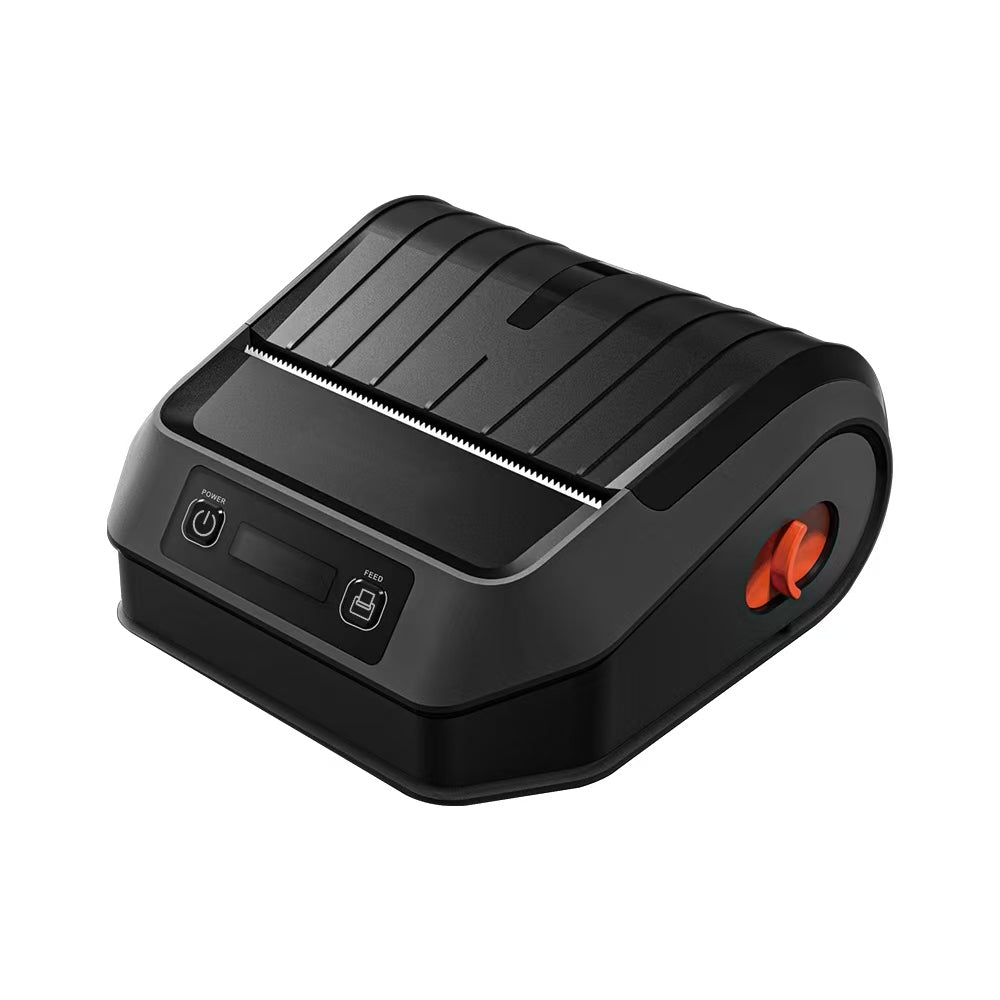
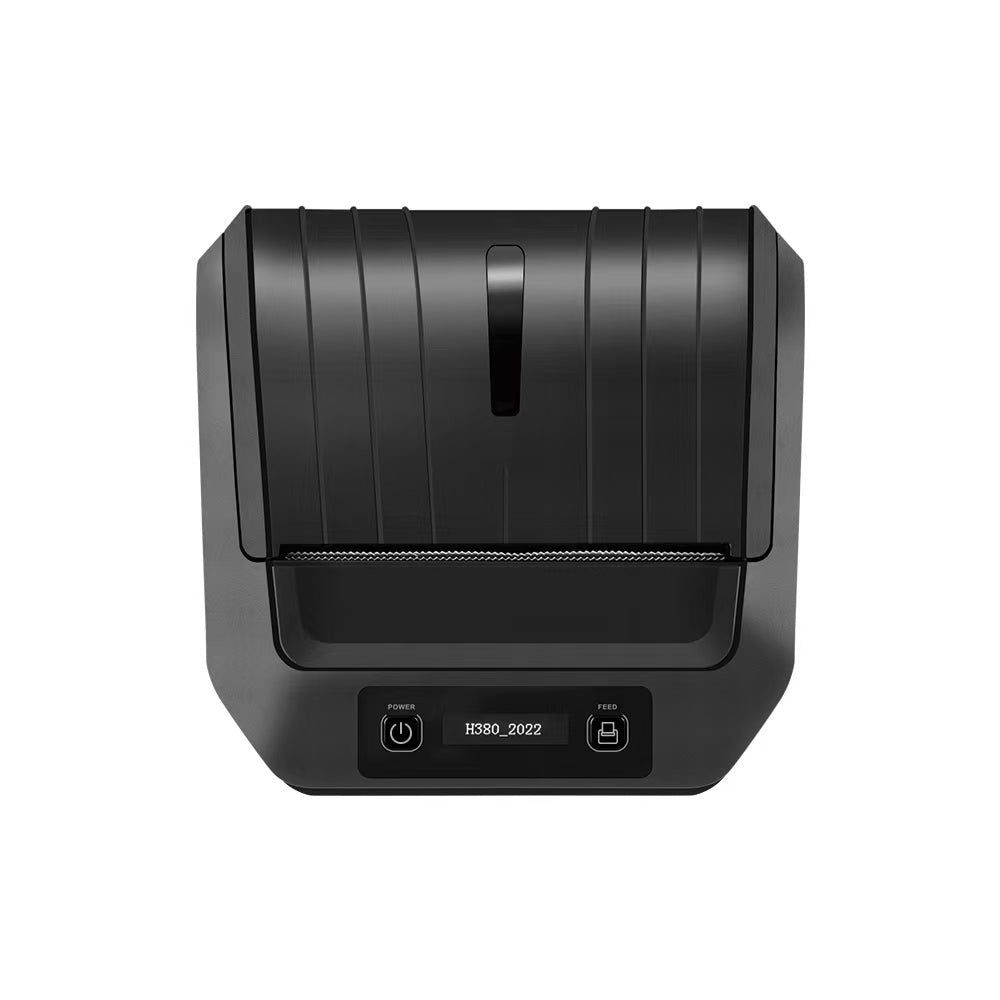
300 DPI vs. 203 DPI: Does Your Wash Care Label Printer Really Need High Resolution?
300 DPI vs. 203 DPI: Does Your Wash Care Label Printer Really Need High Resolution?
In the world of apparel manufacturing, the "small stuff" is often what carries the most weight. While a designer might spend months perfecting the drape of a silk blouse, the consumer�s long-term relationship with that garment often boils down to a small strip of fabric: the wash care label.
Understanding DPI: What "Dots Per Inch" Means
DPI stands for Dots Per Inch. In thermal transfer printing, the printhead consists of a row of tiny heating elements. Each element represents one "dot."
- 203 DPI (8 dots per mm): The industry standard for basic text and bold symbols.
- 300 DPI (12 dots per mm): High-definition precision for small fonts and complex graphics.
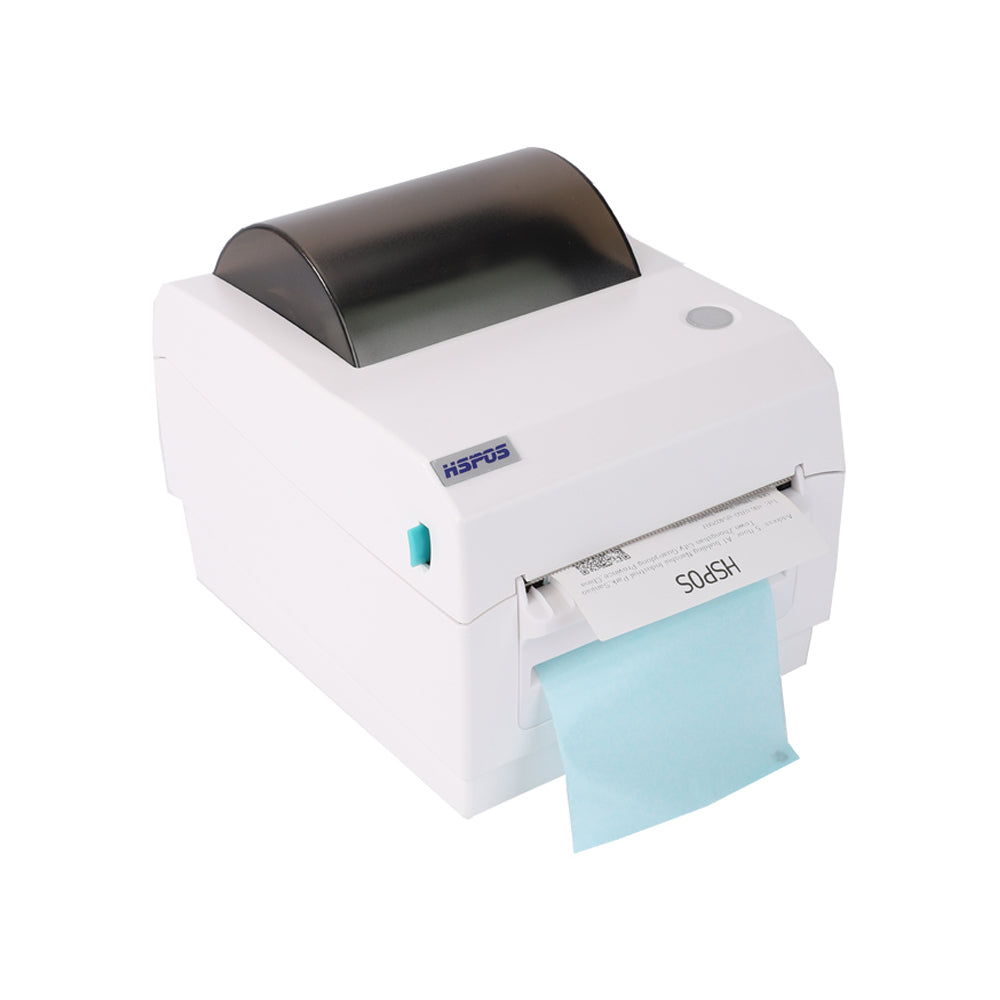
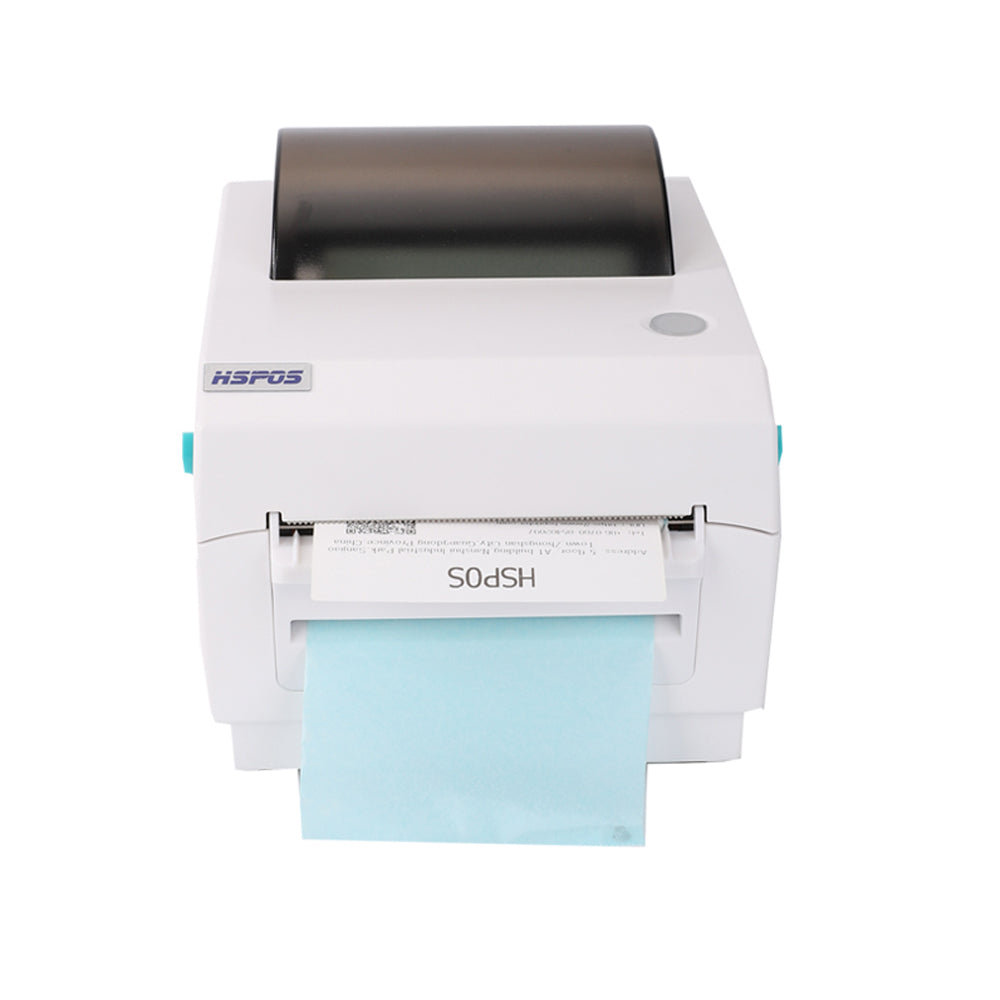
When you use a printer like the HSPOS HS-2054TA / HS-3064TA series, the higher the DPI, the tighter the dots are packed, resulting in smoother curves and sharper edges.
When is 300 DPI Essential?
- Small Fonts (4pt - 6pt): If you need to fit instructions in multiple languages on a narrow label, 300 DPI is a must.
- High-Density QR Codes: Many brands now use QR codes for digital passports. At 203 DPI, these can bleed, making them unscannable.
- Intricate Logos: To maintain brand professionalism, fine lines require the 12 dots per mm precision.
Conclusion: Which One Does Your Brand Need?
Choose 203 DPI for standard apparel and basics. However, if you are a high-end fashion brand or use QR codes for tracking, investing in a 300 DPI model like the HS-3064TA is an investment in brand quality insurance.
The Science of Silence: Why ESC/POS Compatibility is the Backbone of Successful Food Delivery
From Startup Cafe to Chain Supermarket: The Ultimate 2024 POS Hardware Checklist
Related Posts

The Ultimate Fulfillment Tool for E-commerce Sellers: TechPOS TP-K38 High-Speed Thermal Label Printer Review

The Ultimate Guide to Android-Compatible Barcode Printers in Australia & Canada: Reliable Hardware for Shopify & DoorDash

Multi-Platform Integration: Connecting Your 14-inch POS to Shopify, Square, and UberEats

The Future of AI Weighing: How Smart Scales are Transforming Grocery Checkout in 2026

The 2026 Master Guide to Setting Up Multiple Delivery Tablets with the HS-M80 (TP-M30)

Ending the 'Ghost Order' Nightmare: Why Your Kitchen Needs Industrial Concurrency

The Multi-Tablet Revolution: How to Connect 7 Food Delivery Devices to One Bluetooth Printer