DPI Precision War: 203 vs 300 DPI - Which is Right for Your Business?
DPI Precision War: 203 vs 300 DPI - Which is Right for Your Business?
In the thermal printing industry, "DPI" (Dots Per Inch) is the most critical spec that defines your print quality. But do you really need the expensive 300 DPI model, or is 203 DPI enough for your daily B2B operations?
1. Understanding the 203 DPI Standard
203 DPI is the industry standard for most shipping labels and standard receipts. It is cost-effective and provides clear enough text for human reading. If you are printing standard 4x6 shipping labels for e-commerce, 203 DPI is more than sufficient.
2. The 300 DPI Advantage
300 DPI offers nearly 50% more dots per inch, leading to significantly sharper images and text. This is critical for:
- Small Text: Jewelry tags or small component labels.
- Complex Barcodes: High-density DataMatrix or small QR codes.
- Branding: When your brand logo needs to look premium on every receipt.
3. Performance and Cost Trade-offs
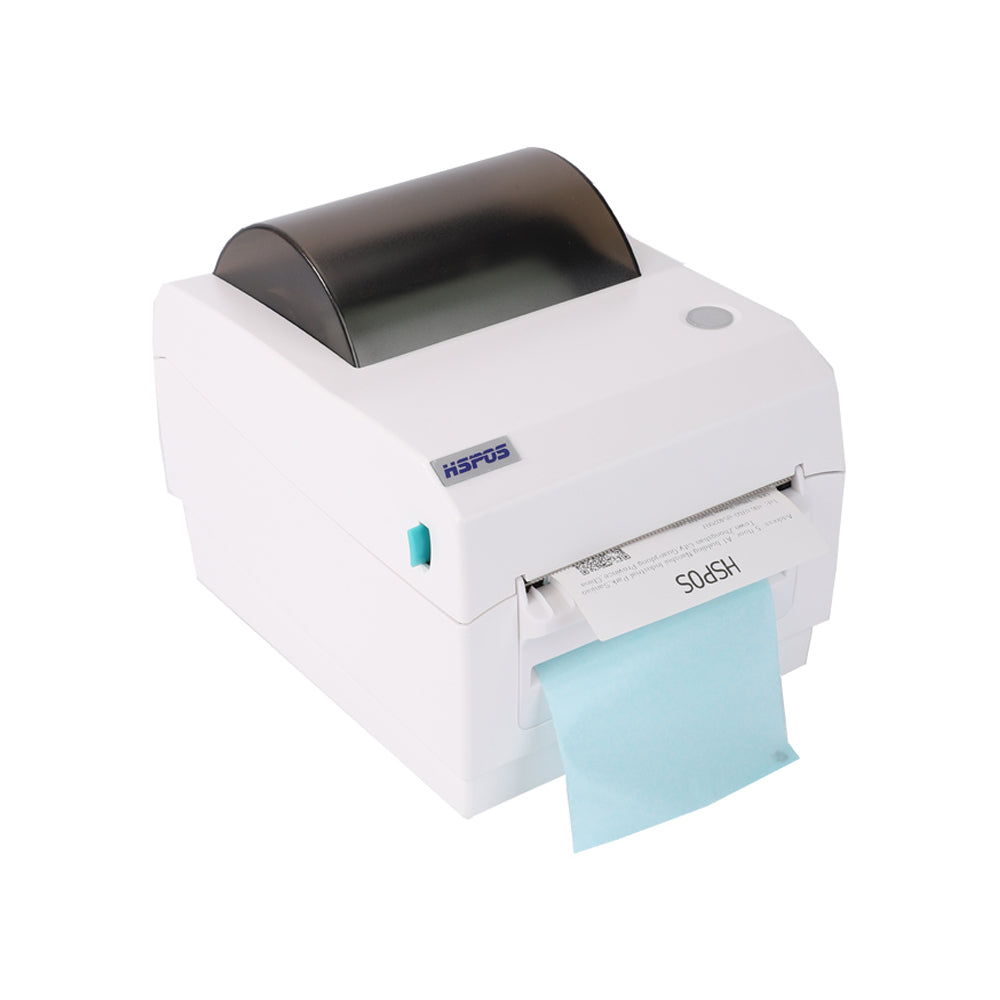
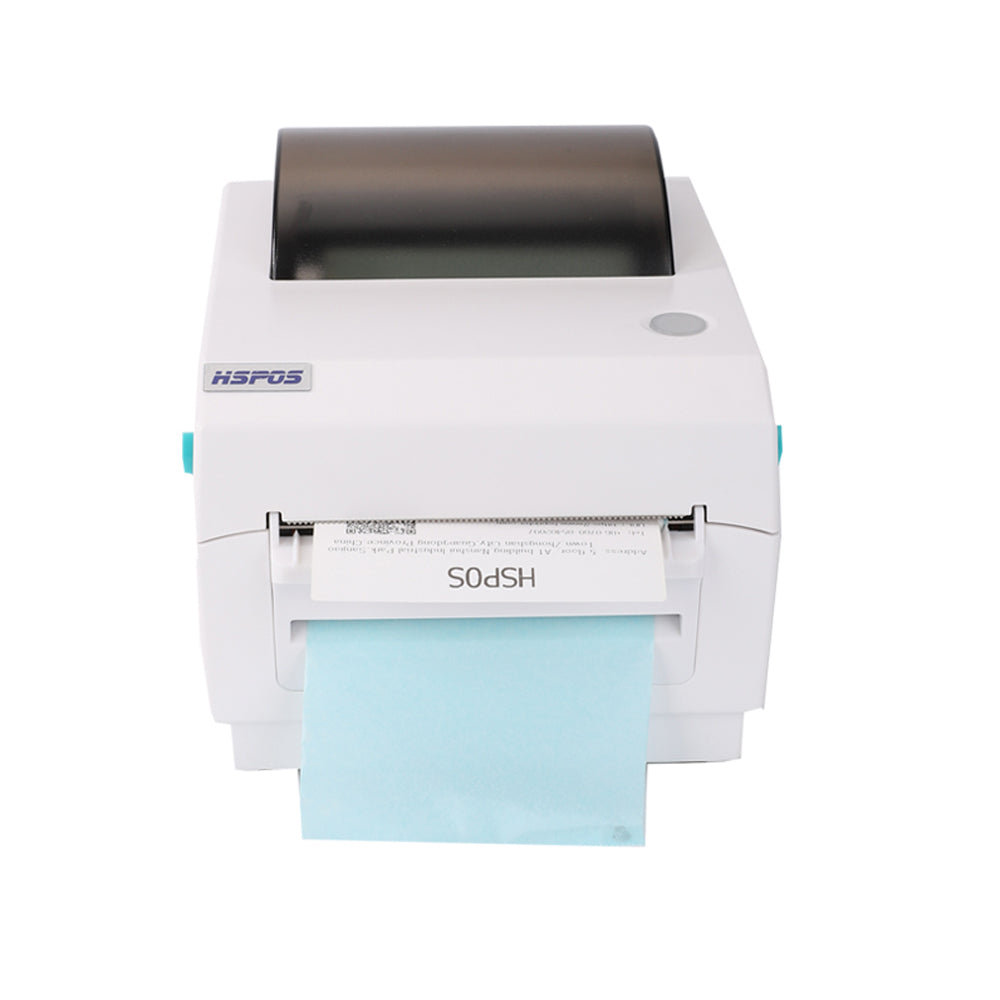
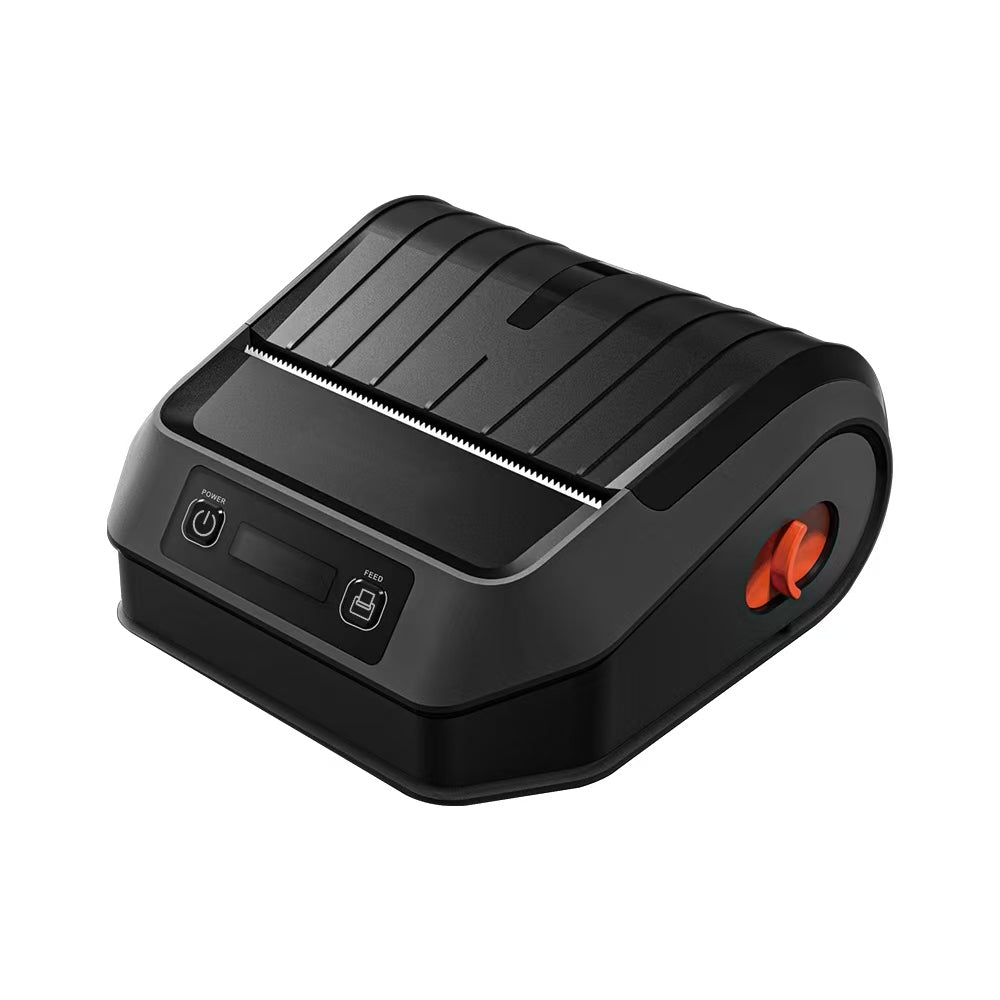
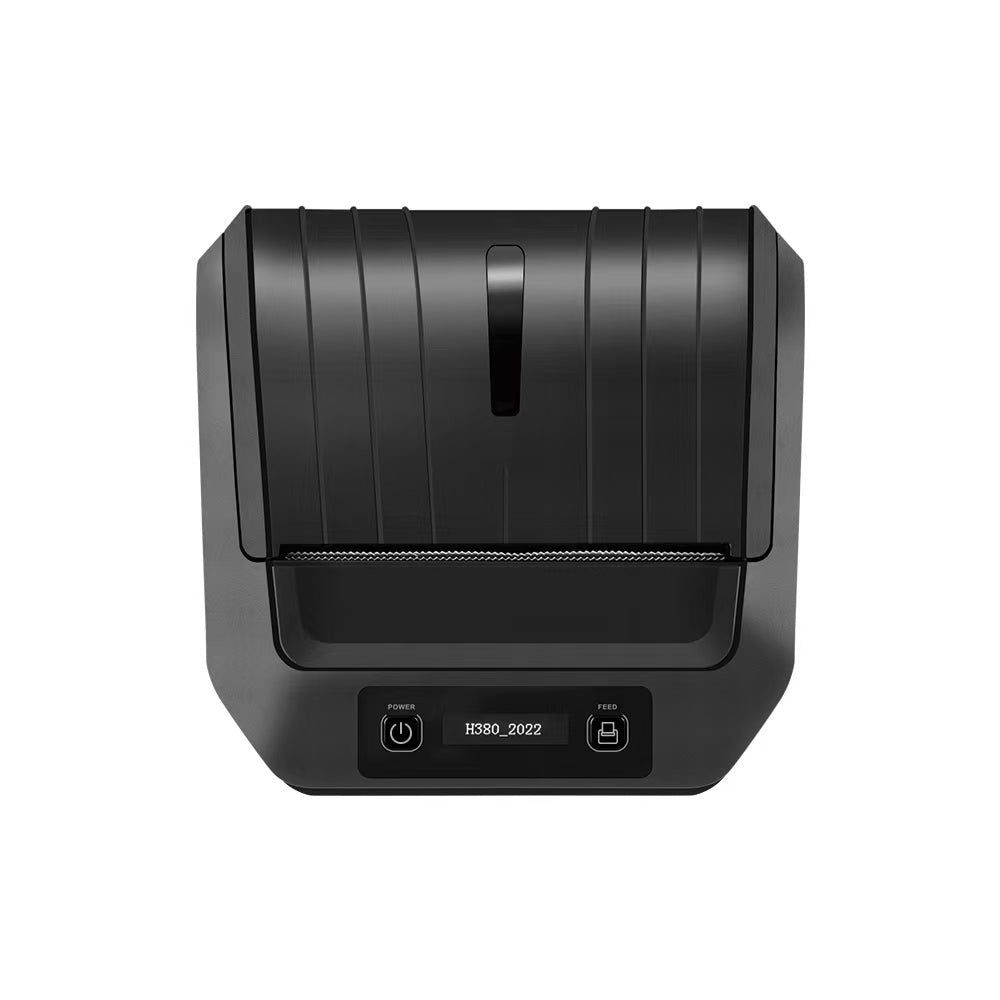
Higher DPI usually means a slightly slower print speed as the head processes more data. However, our HS-K38 110mm Label Printer manages to maintain high speeds while ensuring clarity across standard requirements.
Conclusion
Choose 203 DPI for standard logistics and 300 DPI for high-precision labeling. At TechPOS, we provide hardware that balances these needs for maximum B2B efficiency.
Beyond the Printout: A Masterclass in ESC/POS Protocol for Seamless B2B Operations
The Ultimate POS Hardware Checklist for Scaling B2B Operations
Related Posts

The Ultimate Fulfillment Tool for E-commerce Sellers: TechPOS TP-K38 High-Speed Thermal Label Printer Review

The Ultimate Guide to Android-Compatible Barcode Printers in Australia & Canada: Reliable Hardware for Shopify & DoorDash

Multi-Platform Integration: Connecting Your 14-inch POS to Shopify, Square, and UberEats

The Future of AI Weighing: How Smart Scales are Transforming Grocery Checkout in 2026

The 2026 Master Guide to Setting Up Multiple Delivery Tablets with the HS-M80 (TP-M30)

Ending the 'Ghost Order' Nightmare: Why Your Kitchen Needs Industrial Concurrency

The Multi-Tablet Revolution: How to Connect 7 Food Delivery Devices to One Bluetooth Printer