Mastering the Rush: Why ESC/POS Compatibility is the Heartbeat of Modern Food Delivery
Mastering the Rush: Why ESC/POS Compatibility is the Heartbeat of Modern Food Delivery
In the high-stakes environment of a modern commercial kitchen, the difference between a successful service and a chaotic disaster often comes down to a few millimeters of thermal paper. As third-party delivery platforms like UberEats, DoorDash, and SkipTheDishes continue to dominate the landscape, restaurateurs are facing a new technical challenge: the "Tablet Graveyard" on the counter.
Managing three, four, or even seven different order streams is a logistical nightmare. But the hidden hero that keeps this operation running is a technical standard developed decades ago: the ESC/POS protocol. At TechPOS, we believe that understanding this protocol is the first step toward building a future-proof restaurant infrastructure.
1. What is ESC/POS, and Why Does it Matter?
ESC/POS (Epson Standard Code for Point of Sale) is the universal command set used to control thermal printers. It is the language that your delivery tablets and POS terminals use to tell the printer exactly what to do: when to print bold text, how to generate a barcode, and when to trigger the automatic paper cutter.
Without strict ESC/POS compatibility, the communication between your software and hardware breaks down. This results in the dreaded "Gibberish Printing"—long strings of random symbols instead of your customer’s order. For a busy kitchen in Toronto or Sydney, a printer that doesn't "speak" the protocol correctly is a liability that costs time and money.
2. The Delivery Platform Dilemma: UberEats, DoorDash, and Skip
Each major delivery platform utilizes its own Software Development Kit (SDK) to send print jobs to your hardware. While most claim to follow the ESC/POS standard, subtle variations in how they handle command buffers and connection timeouts can cause standard printers to drop orders.
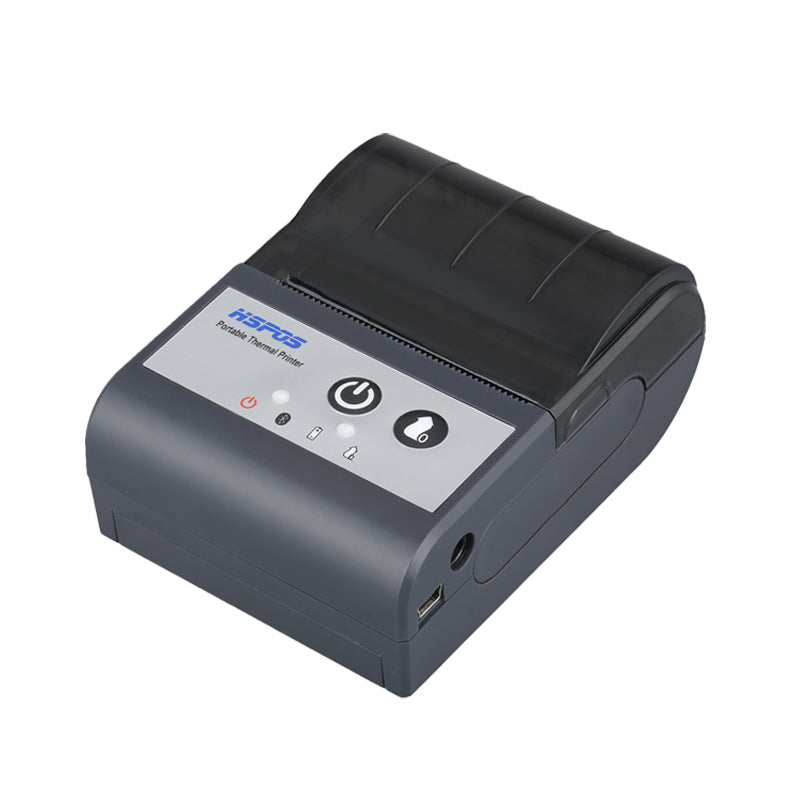
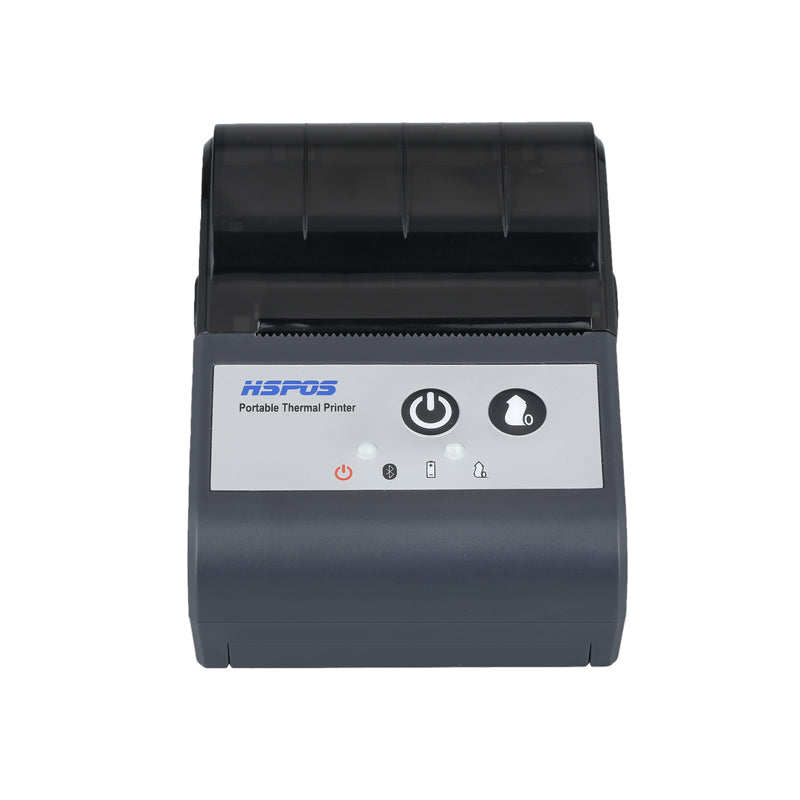
This is where many "consumer-grade" printers fail. They are designed for a single connection from a single PC. But a modern kitchen needs a Multi-Interface Hub. Our HS-TM-m30 Online Order Printer was engineered specifically to solve this "Multi-Tablet Nightmare."
3. The "7-Device" Breakthrough: Engineering for Concurrency
The standout feature of the TechPOS engineering stack is concurrency. Most thermal printers can only maintain one active Bluetooth or network session at a time. If UberEats is printing, DoorDash is blocked.
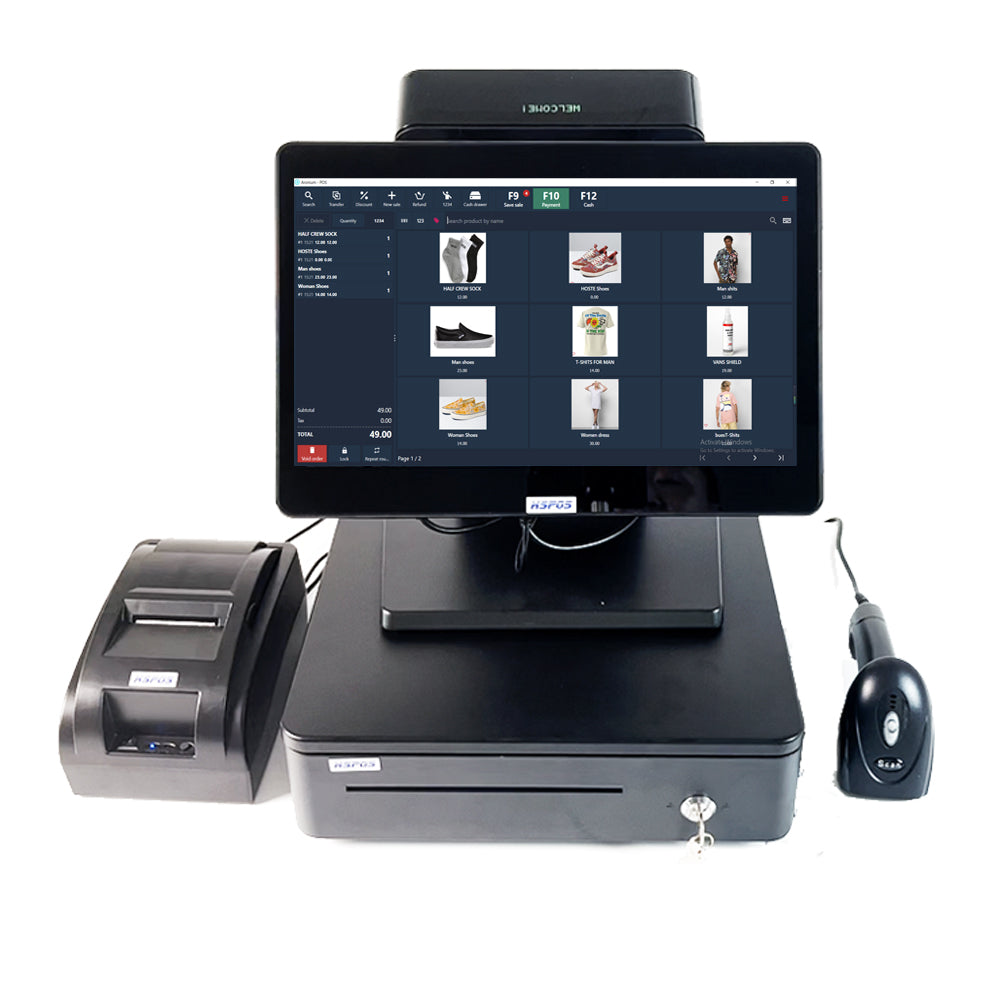
The HS-TM-m30 changes the game by supporting up to 7 concurrent device connections. Whether you are using Android tablets, iPads, or a Windows-based 14-inch POS System, our internal protocol controller manages the queue with surgical precision. This ensures that even in the middle of a Friday night rush, every order from every platform is printed instantly and in the correct order.
4. Hardware Durability: 250mm/s and 1.5M Cuts
Protocol compatibility is the "brain," but the "muscle" must be equally strong. In a high-volume B2B environment, you cannot afford hardware that overheats or jams.
Our professional-grade printers, such as the HS-KH80 80mm Receipt Printer, are built for endurance. With a print speed of 250mm/s, receipts are produced almost before the order "ding" finishes. More importantly, the integrated auto-cutter is rated for 1.5 million cuts. For a restaurant doing 200 orders a day, that represents years of trouble-free operation.
5. Beyond Receipts: The Role of Labeling in Delivery
As delivery volumes scale, simply printing a receipt isn't enough. Professional bag sealing and inventory tracking are becoming the new B2B standard. This is where the ESC/POS standard transitions into the TSPL/ZPL world of labeling.
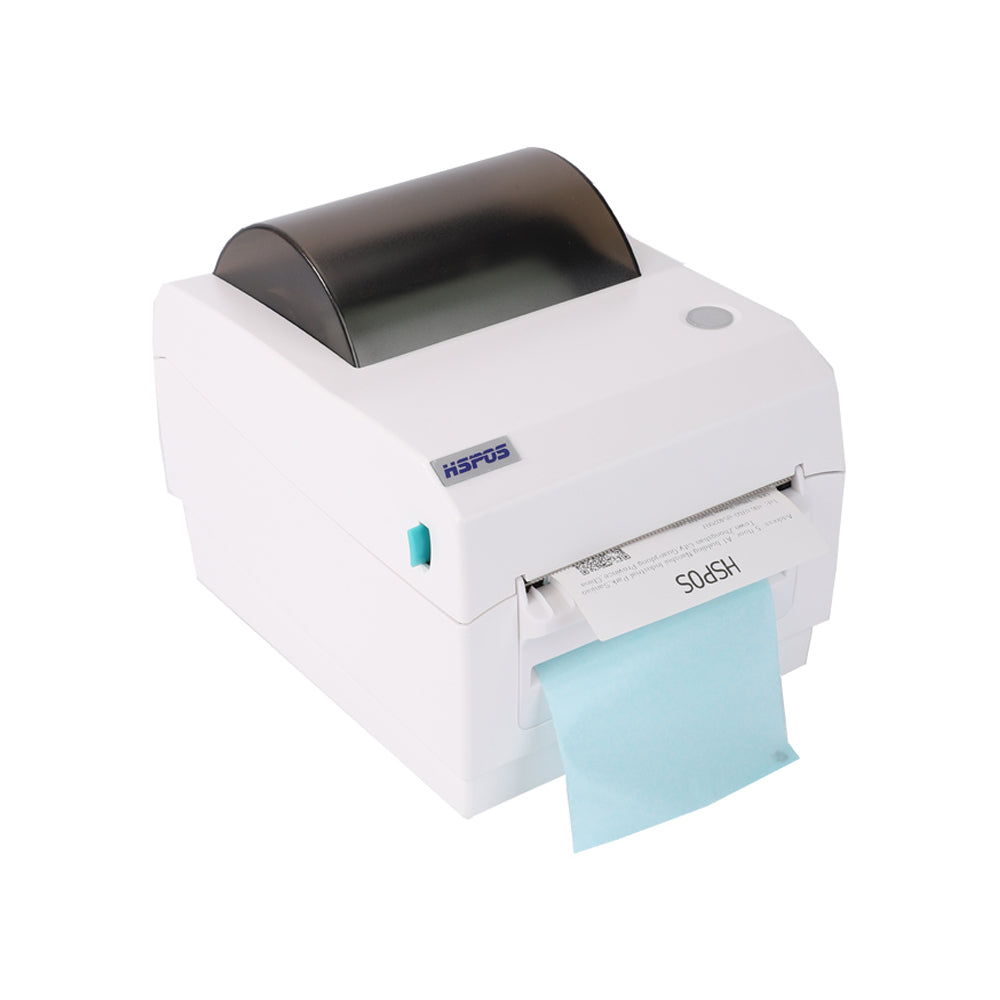
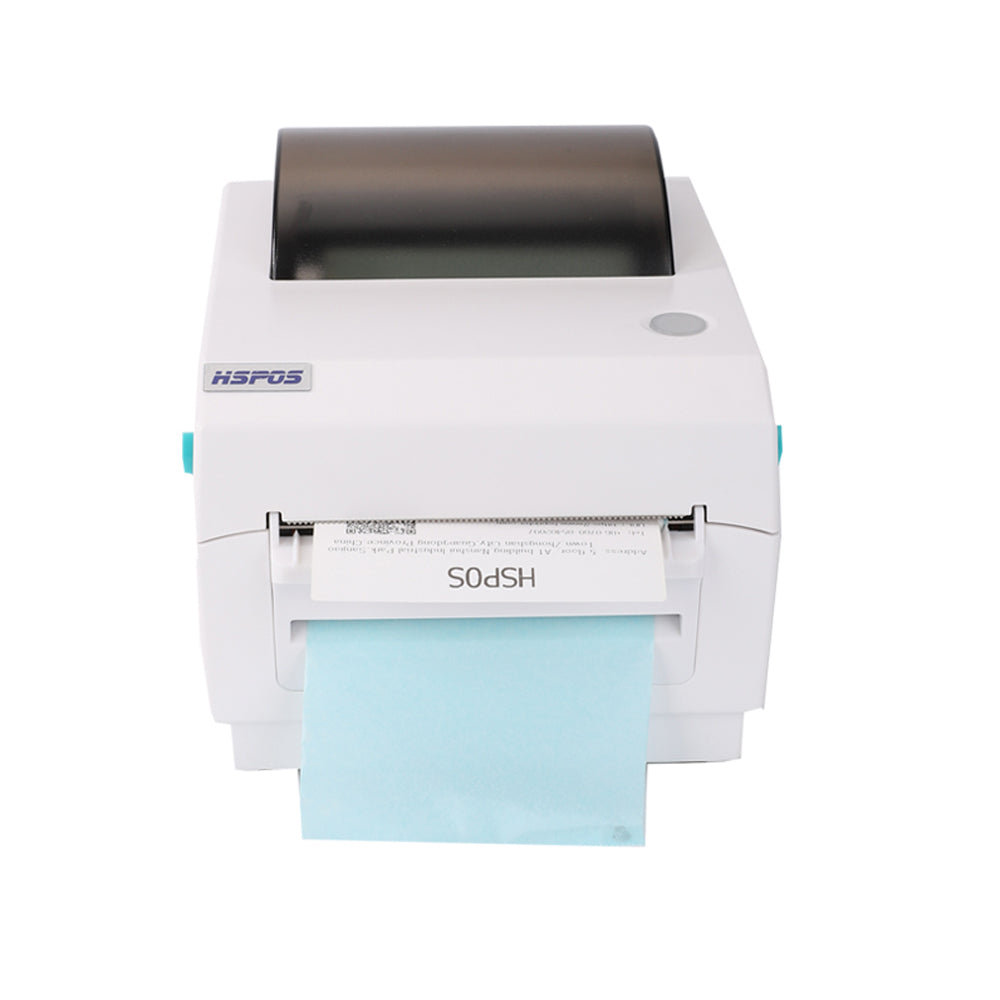
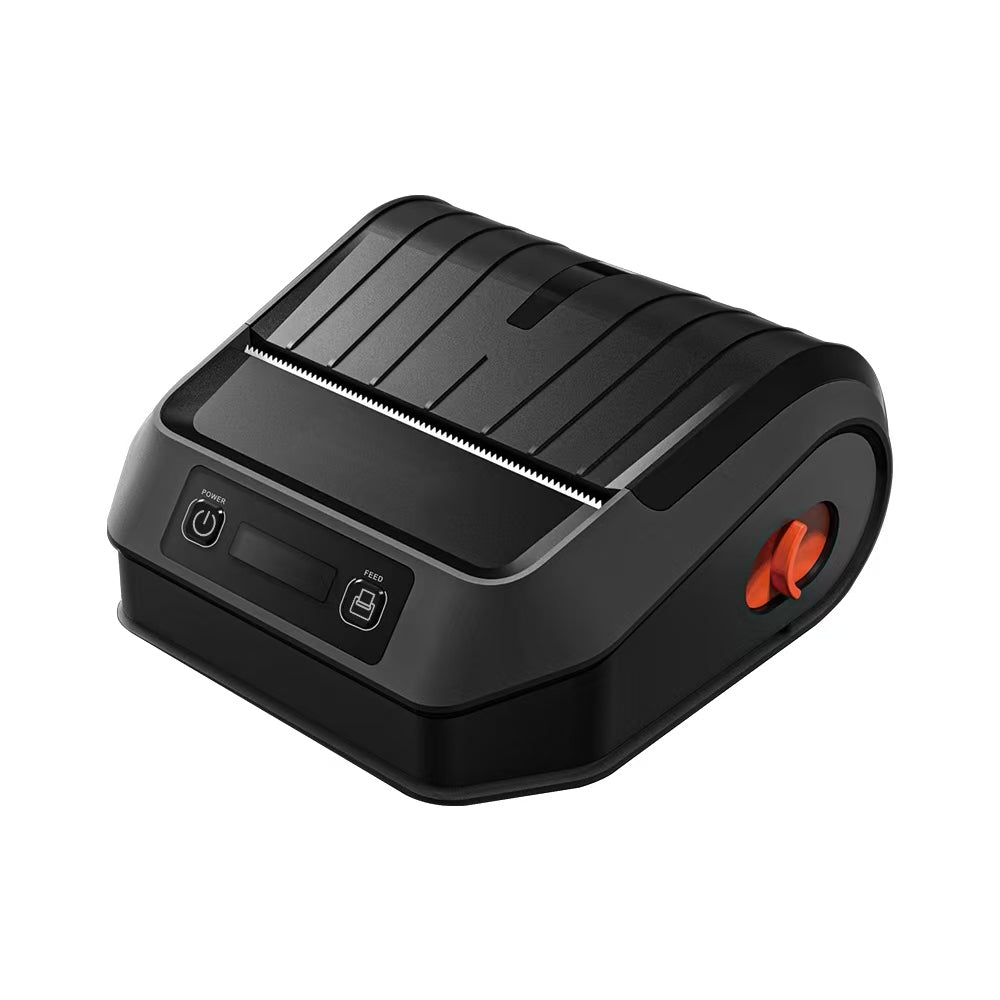
The TechPOS HS-K38 110mm Label Printer bridges this gap. By using high-speed thermal labeling (180mm/s), restaurants can print professional, smudge-proof bag seals that ensure the right order always reaches the right driver. This level of organization reduces "order not received" claims—a common profit-killer in the US and Canada markets.
6. Connectivity Stability: LAN vs. WIFI vs. Bluetooth
In the B2B world, wires equal reliability. While Bluetooth is convenient for mobile setups, a commercial kitchen is full of stainless steel and microwave interference—the natural enemies of wireless signals.
TechPOS hardware provides a Quad-Interface connectivity stack:
- Ethernet (LAN): The gold standard for stable, "never-fail" printing.
- WIFI: For flexible layouts where cabling is impossible.
- Bluetooth: For direct tablet-to-printer pairing.
- USB: For high-speed local terminal connection.
Conclusion: Future-Proofing Your Business
The food delivery landscape will continue to evolve, with new apps and more complex integration requirements. By choosing hardware that masters the core ESC/POS protocol and provides multi-device concurrency, you are ensuring that your business is ready for whatever comes next.
Don't let a protocol mismatch be the bottleneck in your growth. Invest in hardware that speaks the language of modern commerce.
The Ultimate POS Hardware Checklist: Scaling Your Infrastructure from Boutique to Global Enterprise
Precision in the Details: 203 DPI vs. 300 DPI for Professional Wash Care Labels
Related Posts

The Ultimate Fulfillment Tool for E-commerce Sellers: TechPOS TP-K38 High-Speed Thermal Label Printer Review

The Ultimate Guide to Android-Compatible Barcode Printers in Australia & Canada: Reliable Hardware for Shopify & DoorDash

Multi-Platform Integration: Connecting Your 14-inch POS to Shopify, Square, and UberEats

The Future of AI Weighing: How Smart Scales are Transforming Grocery Checkout in 2026

The 2026 Master Guide to Setting Up Multiple Delivery Tablets with the HS-M80 (TP-M30)

Ending the 'Ghost Order' Nightmare: Why Your Kitchen Needs Industrial Concurrency

The Multi-Tablet Revolution: How to Connect 7 Food Delivery Devices to One Bluetooth Printer