Why 300 DPI Thermal Printing is Non-Negotiable for Professional Apparel Manufacturing
Why 300 DPI Thermal Printing is Non-Negotiable for Professional Apparel Manufacturing
In the high-stakes world of apparel manufacturing, the difference between a premium garment and a warehouse rejection often comes down to a single, critical detail: the wash care label. For clothing brands operating in competitive markets like Canada and Australia, providing clear, durable, and legally compliant care instructions is not just a best practice—it is a regulatory requirement.
When setting up a textile production line, manufacturers often face a technical crossroads: Should they use a standard 203 DPI printer or invest in a high-definition 300 DPI system? Today, we break down why 300 DPI thermal transfer printing is the industry standard for professional-grade clothing tags.
1. The Challenge of Micro-Text and Symbols
Apparel labels are notoriously space-constrained. A single wash care tag must contain fiber composition, country of origin, size data, and the five mandatory international laundry symbols (wash, dry, iron, bleach, and professional care).
To fit all this information onto a 30mm or 35mm wide ribbon, manufacturers often use size 4 or size 5 fonts.
- At 203 DPI: The heating elements are too coarse to render the fine curves of small letters or the intricate lines of laundry icons. This results in "pixelated" or blurry text that looks unprofessional.
- At 300 DPI: The dot density is 50% higher, allowing for razor-sharp micro-text and crisp symbols that remain legible even at high magnification.
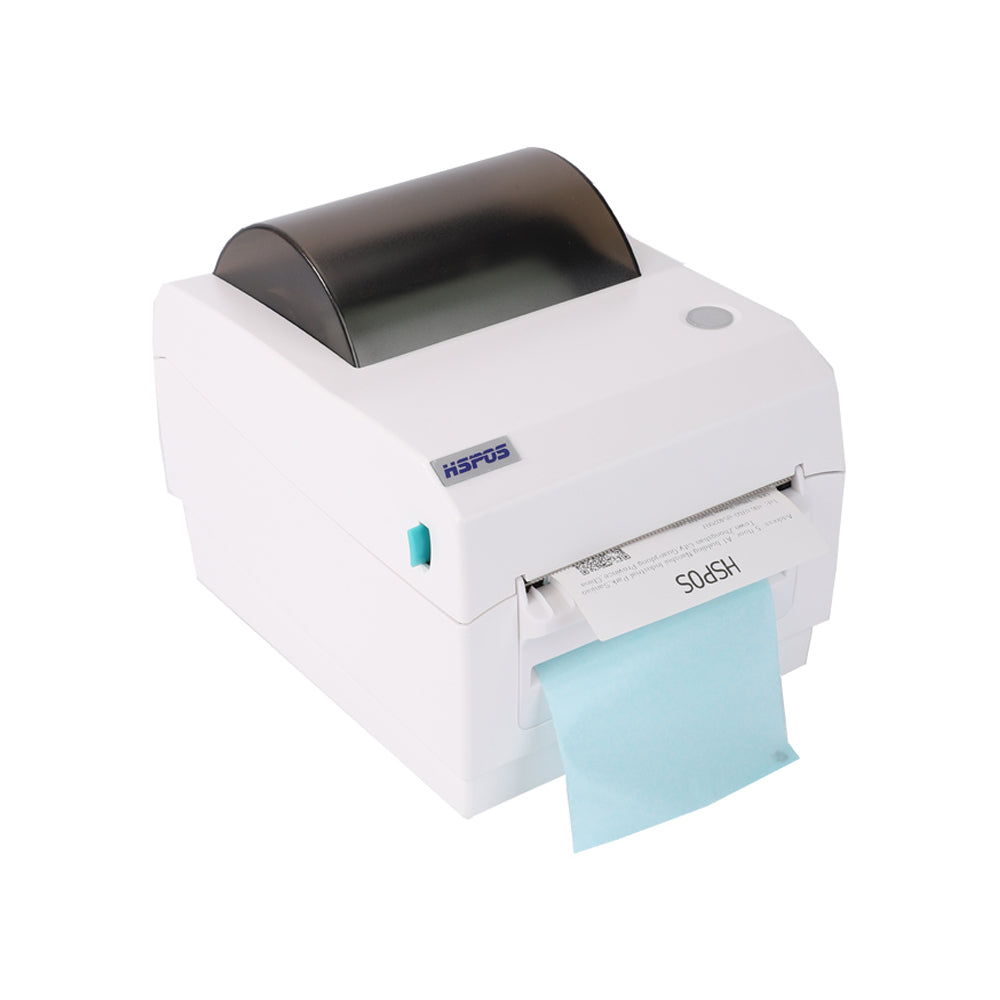
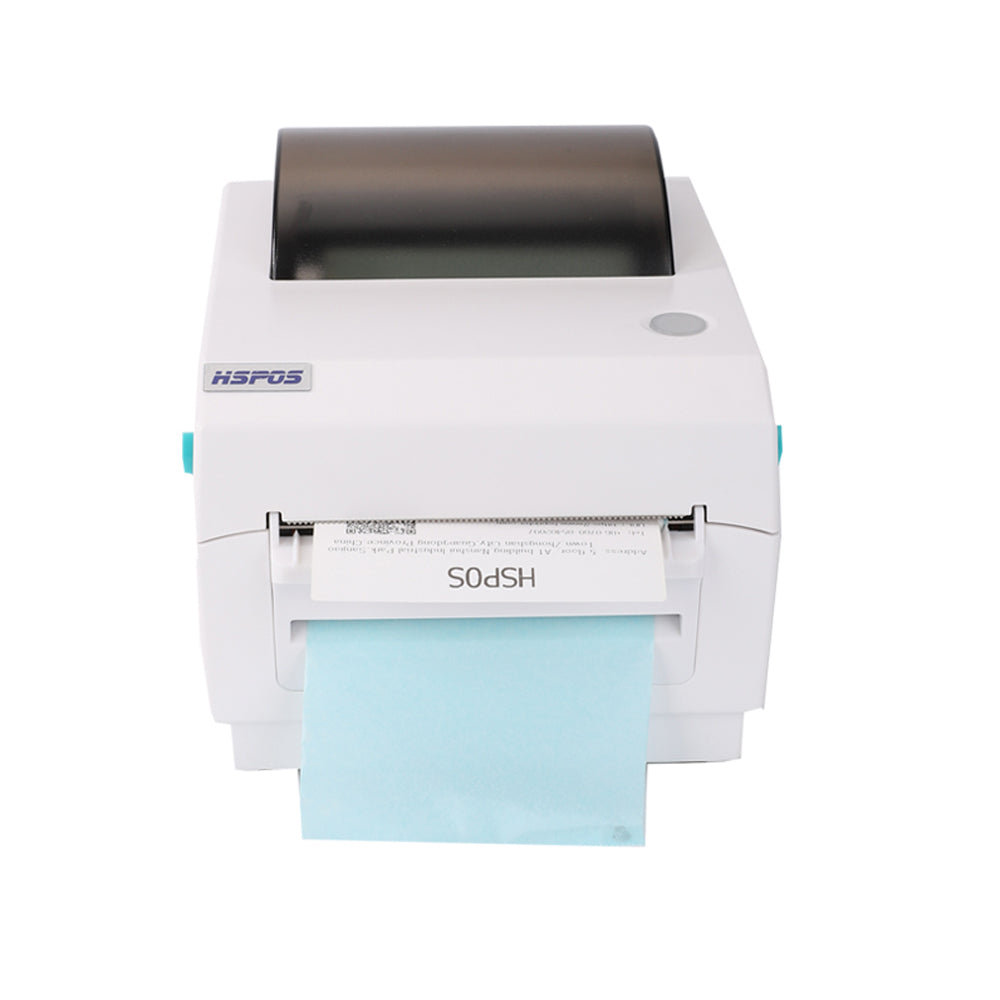
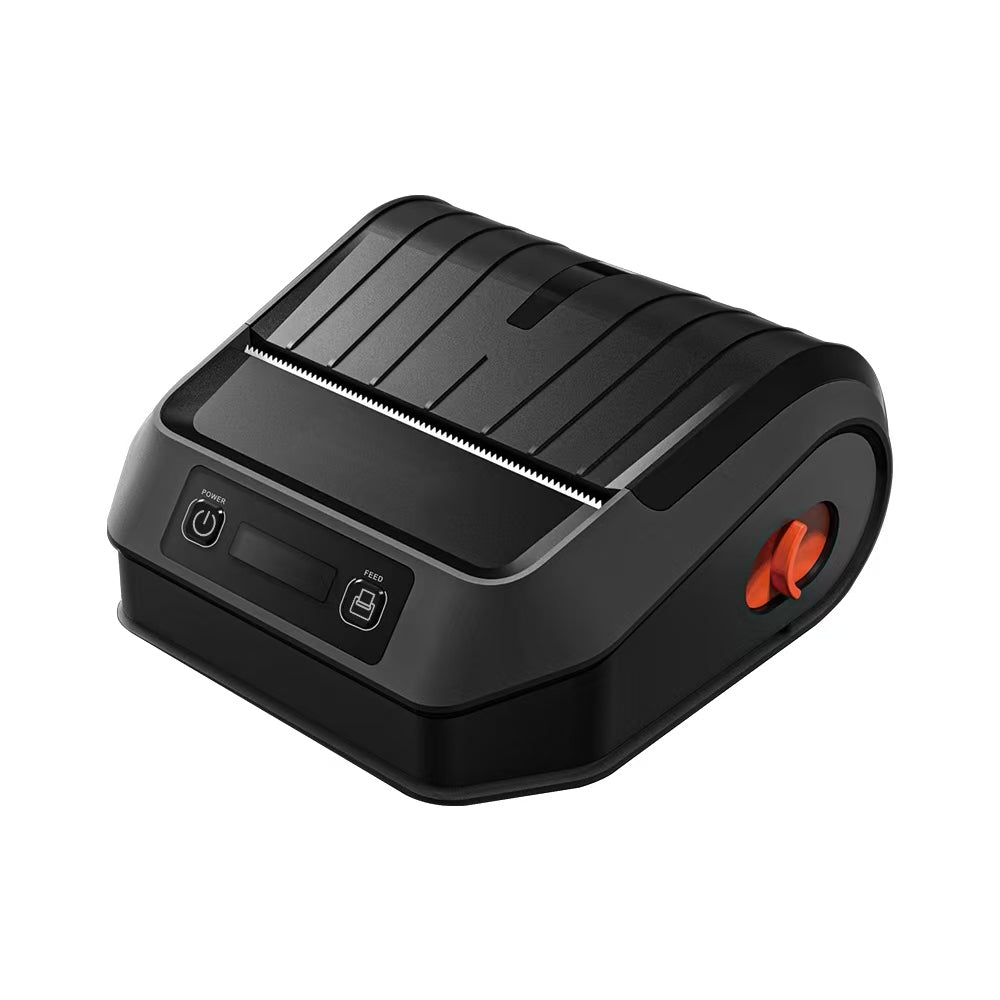
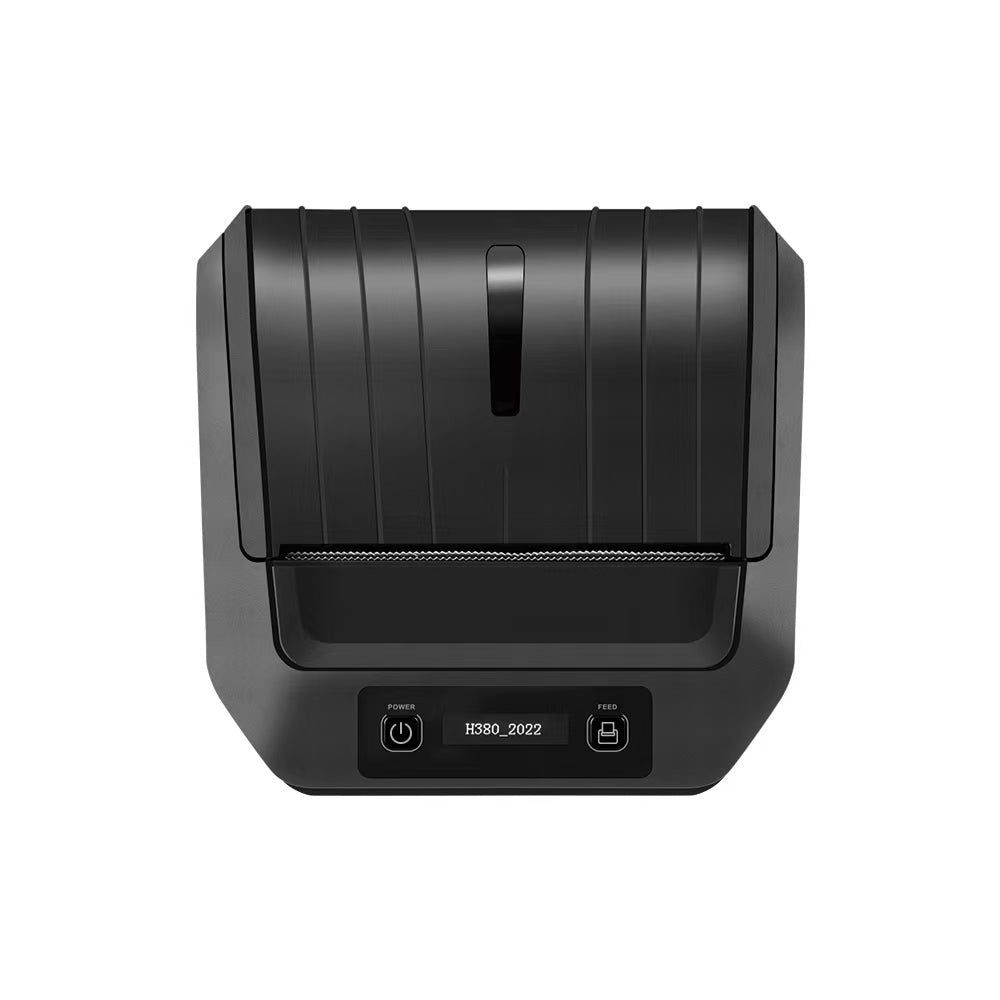
For clothing brands aiming for a "boutique" or "premium" feel, the TechPOS HS-3064TA Textile Wash Care Label Printer offers the 300 DPI precision required to pass retailer quality inspections in North America and Europe.
2. Media Surface Physics: Nylon Taffeta vs. Satin Ribbon
Unlike standard paper shipping labels, textile substrates like Nylon Taffeta and Satin Ribbon are non-porous and slippery. When a thermal printhead applies heat to a resin ribbon, the ink must bond perfectly with the fabric fibers.
Standard printers (203 DPI) often struggle with "ink bleeding" on these surfaces because the larger heat dots cause the resin to spread slightly. The high-density 300 DPI printhead on the HS-3064TA manages heat distribution with much finer control, ensuring that the ink stays exactly where intended—delivering a "laser-like" finish on both satin and nylon.
3. Industrial Longevity: Surviving 50+ Wash Cycles
A wash care label is useless if it fades after the first laundry cycle. Apparel manufacturers in Melbourne and Toronto need labels that withstand industrial washing, high-heat drying, and chemical solvents.
The TechPOS HS-3064TA is engineered for these high-durability environments. By utilizing a 300-meter resin-based wash-resistant ribbon, the printer creates a thermal bond that is virtually permanent. Whether your garment is a high-performance sportswear piece or a luxury evening gown, your brand's care instructions will remain legible for the entire lifecycle of the product.
4. Operational Efficiency and Local Fulfillment
B2B procurement isn't just about specs; it's about time-to-market. Waiting for specialized textile hardware to arrive via international sea freight can stall a production season.
At TechPOS, we eliminate the wait. We maintain dedicated B2B stock in our local hubs:
- 🇨🇦 Ontario Warehouse (3-7 Day Delivery)
- 🇦🇺 Melbourne Warehouse (3-7 Day Delivery)
When paired with our HS-K38 4-inch Label Printer for outbound shipping labels and our HS-M80 Multi-Device Order Printer for production tracking, the HS-3064TA completes the ultimate apparel manufacturing hardware stack.
Conclusion: Don't Compromise on Clarity
In the clothing business, your labels are a reflection of your quality. Investing in a 300 DPI wash care printer is an investment in your brand’s credibility and regulatory compliance.
Ready to upgrade your production line?
👉 Shop the TechPOS HS-3064TA Industrial Textile Printer or contact our engineering team for a textile media calibration consultation today.
Cloud vs. Local Stability: Why the TechPOS 14-inch Terminal is the Safest Bet for Restaurant Outages
The Ultimate 2026 Guide to 4x6 Thermal Shipping: Why Fast Labeling is the Secret to E-commerce Scale
Related Posts

The Ultimate Fulfillment Tool for E-commerce Sellers: TechPOS TP-K38 High-Speed Thermal Label Printer Review

The Ultimate Guide to Android-Compatible Barcode Printers in Australia & Canada: Reliable Hardware for Shopify & DoorDash

Multi-Platform Integration: Connecting Your 14-inch POS to Shopify, Square, and UberEats

The Future of AI Weighing: How Smart Scales are Transforming Grocery Checkout in 2026

The 2026 Master Guide to Setting Up Multiple Delivery Tablets with the HS-M80 (TP-M30)

Ending the 'Ghost Order' Nightmare: Why Your Kitchen Needs Industrial Concurrency

The Multi-Tablet Revolution: How to Connect 7 Food Delivery Devices to One Bluetooth Printer