The Invisible Hand of Food Delivery: Mastering ESC/POS Protocol Compatibility
The Invisible Hand of Food Delivery: Mastering ESC/POS Protocol Compatibility
In the high-stakes world of modern food delivery, where platforms like UberEats, DoorDash, and SkipTheDishes dominate the landscape, the margin for error is razor-thin. A missed order isn't just a lost sale; it's a damaged reputation and a potential platform penalty. While most restaurateurs focus on the tablets provided by these platforms, the real backbone of a successful delivery operation is a technical standard developed decades ago: the ESC/POS protocol.
At TechPOS, we understand that B2B hardware isn't about "gadgets"—it’s about infrastructure. In this masterclass, we dive deep into why ESC/POS compatibility is the non-negotiable requirement for your kitchen’s success.
1. What is ESC/POS, and Why Does it Matter?
ESC/POS (Epson Standard Code for Point of Sale) is the industry-standard command set used to control thermal printers. It is the "language" that your order tablets (Android/iOS) and your POS terminal use to tell the printer exactly what to do: when to print bold text, how to generate a barcode, and most importantly, when to trigger the automatic paper cutter.
For a restaurant managing three or four delivery apps simultaneously, a protocol mismatch is a nightmare. It leads to:
- "Gibberish" Printing: Long strings of random symbols instead of order details.
- Formatting Failures: Missing order numbers or cut-off prices.
- Operational Delays: Printers that stop responding mid-rush, requiring a hard reset.
2. The Multi-Platform Challenge: UberEats, DoorDash, and Beyond
North American delivery platforms utilize complex SDKs (Software Development Kits) to communicate with printers. Each app has its own slight variation in how it handles commands.
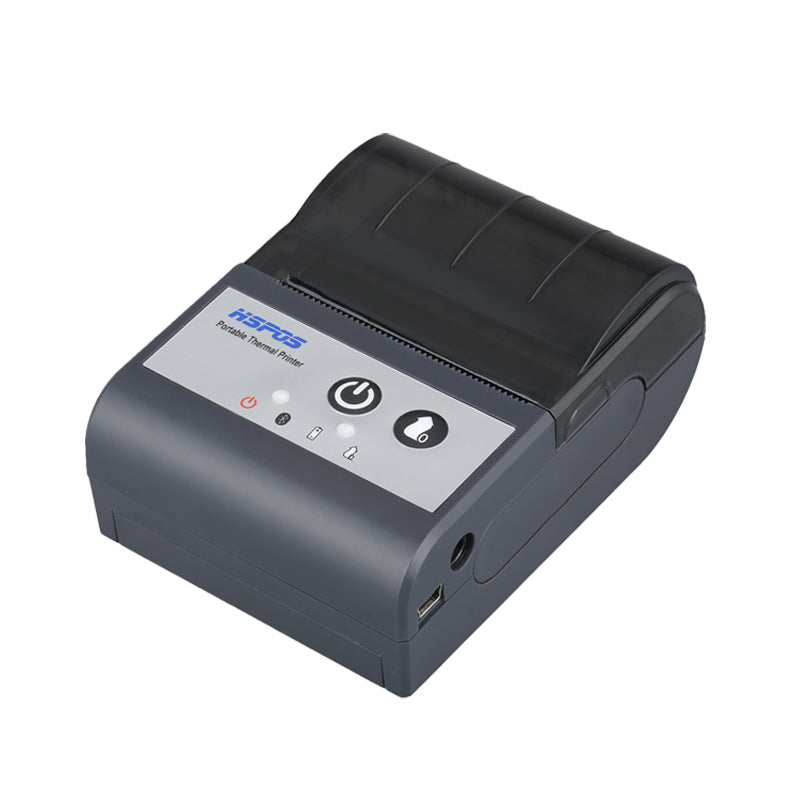
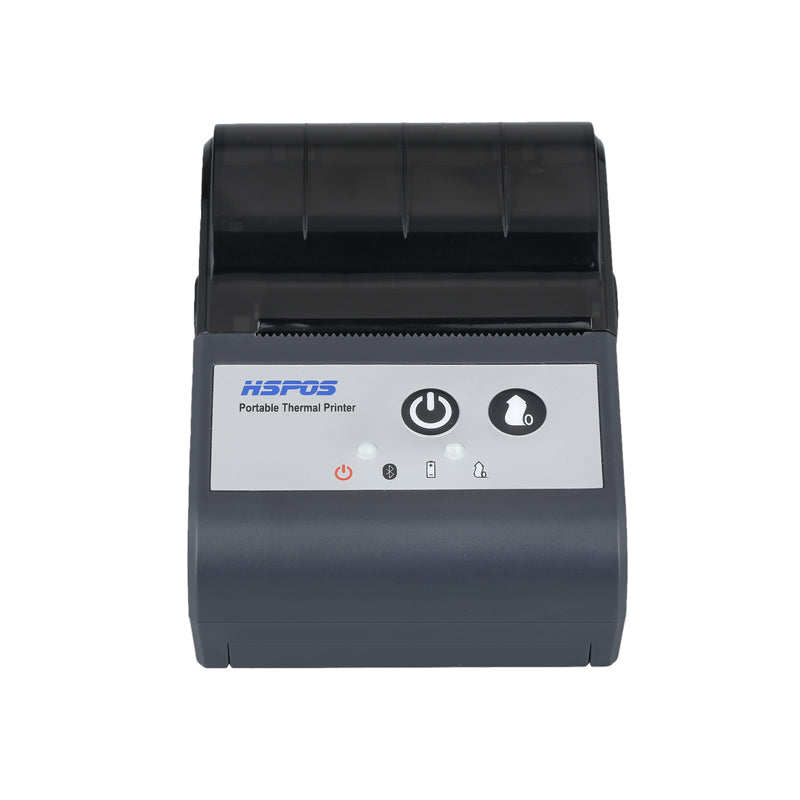
The TechPOS HS-TM-m30 Online Order Printer was specifically engineered to bridge these gaps. Unlike consumer-grade printers that claim "general compatibility," the HS-TM-m30 features a robust internal processor that can interpret native ESC/POS commands from up to 7 devices simultaneously. This means your UberEats tablet, your DoorDash terminal, and your in-house POS can all "talk" to the same printer at the same time without data collisions.
3. High-Volume Reliability: 250mm/s and 1.5M Cuts
In a busy kitchen in Toronto, New York, or Sydney, speed is a technical requirement. A printer that takes 5 seconds to print a receipt is too slow when 10 orders come in at once.
Our high-speed hardware, such as the HS-KH80 80mm Receipt Printer, delivers 250mm/s output. But speed is nothing without durability. Our auto-cutters are rated for 1.5 million cuts. In B2B terms, that is years of trouble-free operation, even in the harshest kitchen environments exposed to heat and humidity.
4. Connectivity: The Gold Standard (USB + LAN + WIFI + BT)
Connectivity is where many "budget" printers fail. A delivery operation needs redundancy. If your WIFI drops, can your printer switch to LAN? If the tablet is mobile, can it use Bluetooth?
TechPOS hardware provides a Quad-Interface stack:
- LAN (Ethernet): The stable "heart" of the kitchen.
- WIFI: For flexibility in layout.
- Bluetooth: Ideal for mobile tablet setups.
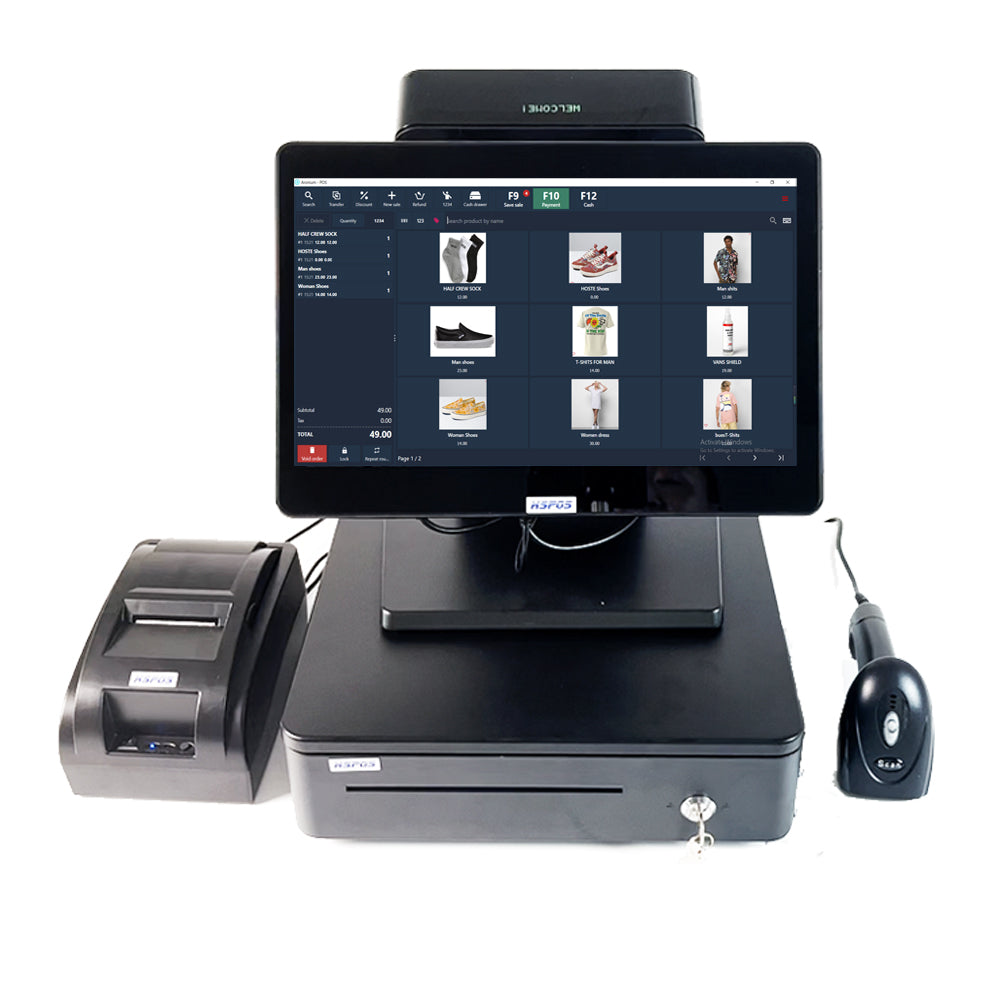
- USB: For direct connection to your 14-inch POS System.
5. The Case for Standardized Labeling
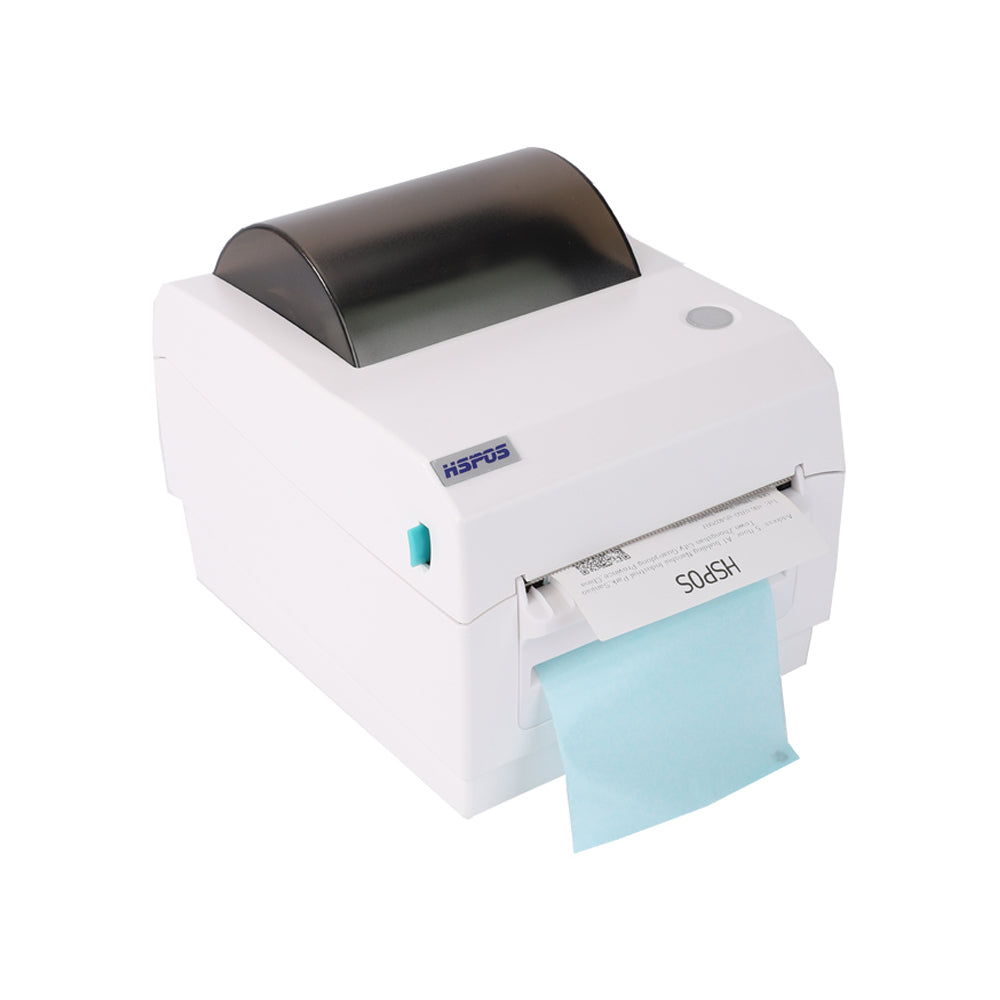
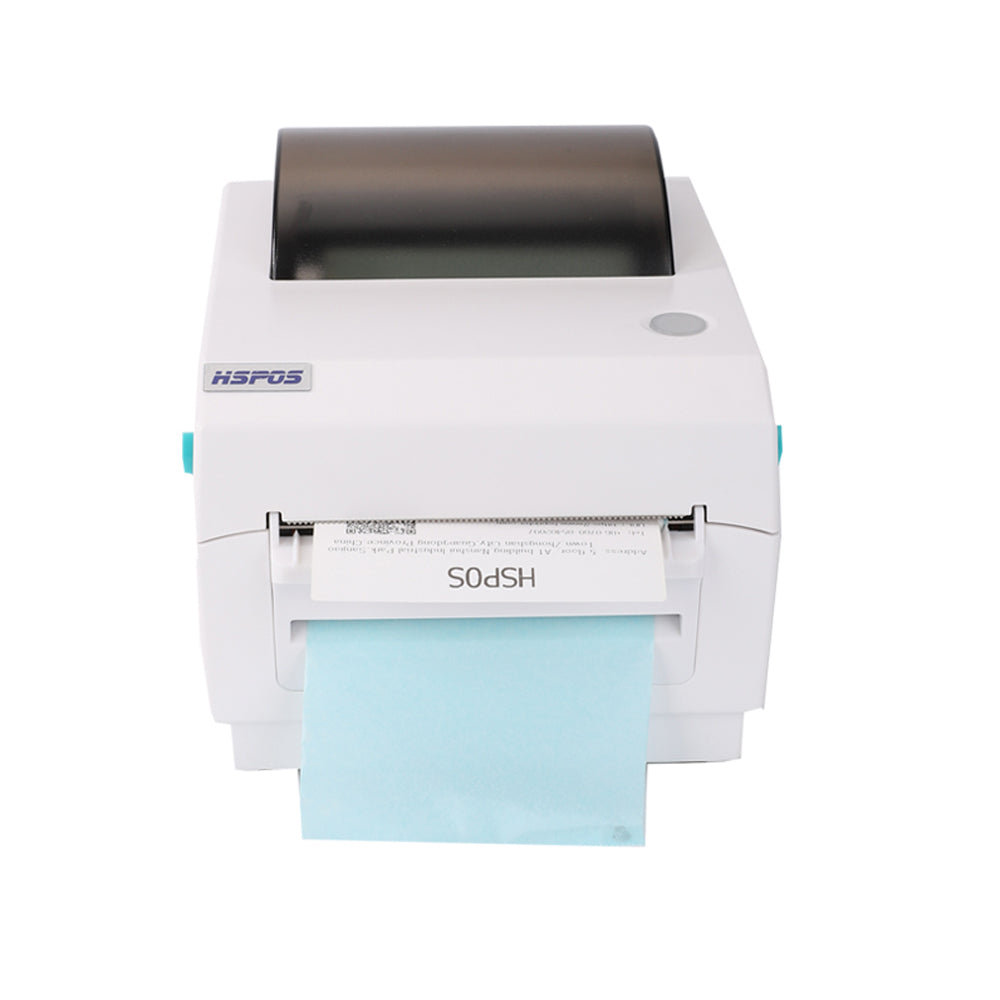
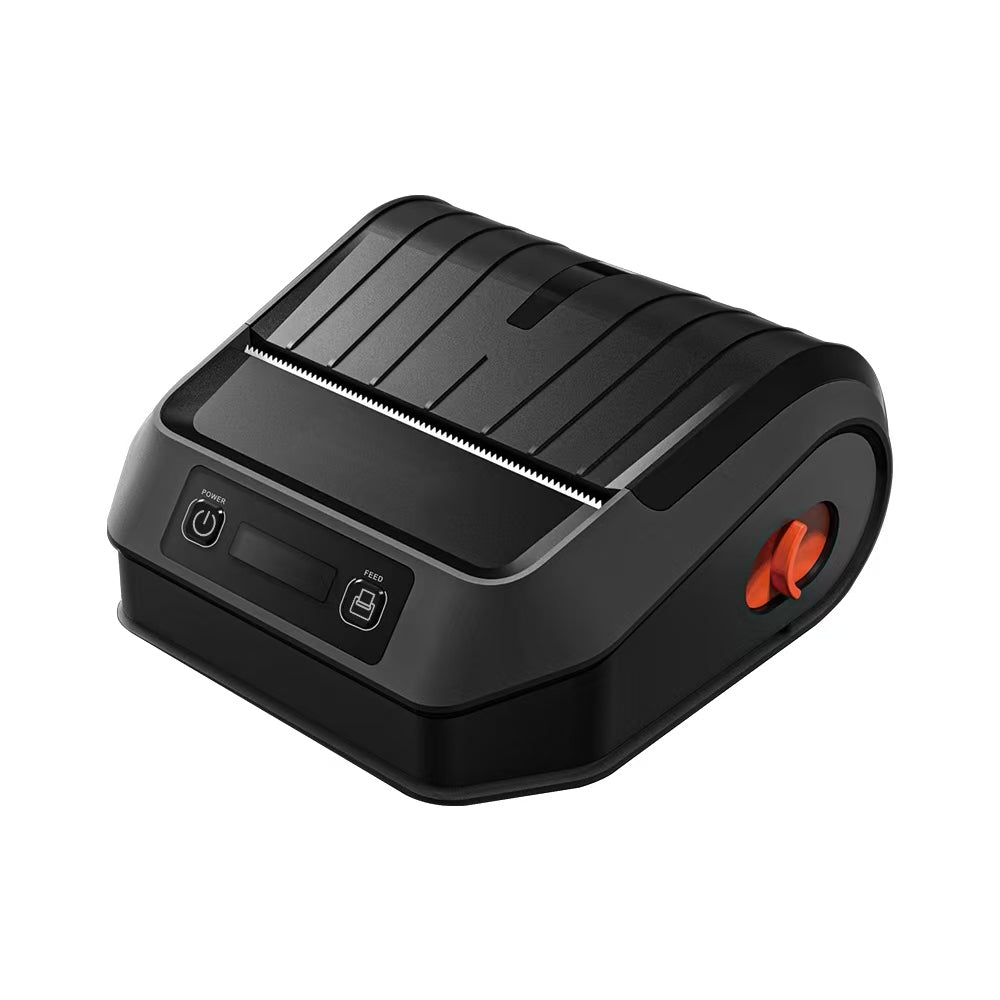
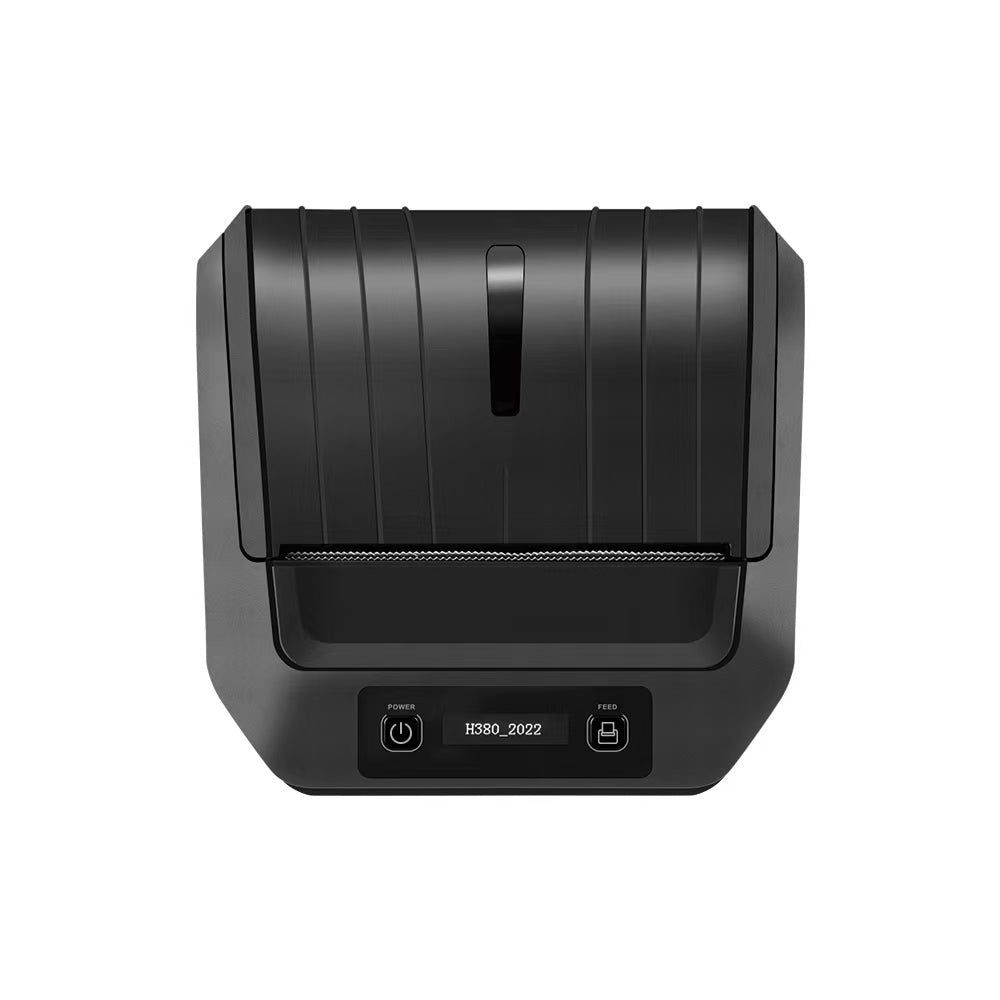
As delivery orders grow, the hand-off to drivers becomes a bottleneck. This is where labels come in. The HS-K38 110mm Label Printer brings ESC/POS precision to logistics. By using standardized thermal labels for bag seals, you ensure that drivers always pick up the right order, and customers see a professional, branded package.
6. Local Presence: Why "Local Stock" is a Technical Feature
In our recent audit of the US, Canada, and Australia markets, we found that the biggest pain point for owners was downtime. Waiting 14 days for a replacement printer from overseas is unacceptable.
This is why TechPOS maintains local inventory in Ontario, Canada, and across Australia. Having a local warehouse means that if a protocol error or a hardware failure occurs, a replacement is only 2-5 days away. This local support is a core part of the "TechPOS engineering ecosystem."
Conclusion: Future-Proofing Your Kitchen
The food delivery landscape will only become more complex. New apps and new protocols will emerge. By investing in hardware that masters the core ESC/POS standard today, you are future-proofing your business.
Don't let a protocol mismatch be the reason you miss your next $100 order. Choose the hardware that speaks the language of modern B2B commerce.
E-commerce Logistics: Why Thermal Printers are Your Best Scalability Hack
203 DPI vs. 300 DPI: The Engineering Choice for Professional Wash Care Labeling
Related Posts

The Ultimate Fulfillment Tool for E-commerce Sellers: TechPOS TP-K38 High-Speed Thermal Label Printer Review

The Ultimate Guide to Android-Compatible Barcode Printers in Australia & Canada: Reliable Hardware for Shopify & DoorDash

Multi-Platform Integration: Connecting Your 14-inch POS to Shopify, Square, and UberEats

The Future of AI Weighing: How Smart Scales are Transforming Grocery Checkout in 2026

The 2026 Master Guide to Setting Up Multiple Delivery Tablets with the HS-M80 (TP-M30)

Ending the 'Ghost Order' Nightmare: Why Your Kitchen Needs Industrial Concurrency

The Multi-Tablet Revolution: How to Connect 7 Food Delivery Devices to One Bluetooth Printer