The AI Revolution in Fresh Produce Retail: How Smart Product Identification Scales Are Slashing Supermarket Checkout Times
The AI Revolution in Fresh Produce Retail: How Smart Product Identification Scales Are Slashing Supermarket Checkout Times
For grocery stores, supermarkets, fruit shops, and bulk-food retailers in 2026, the fresh produce section is both a major revenue driver and the single largest operational bottleneck. While packaged items can be zipped through a laser scanner in milliseconds, loose produce—like apples, grapes, or specialty root vegetables—requires manual identification.
This manual process forces cashiers to memorize hundreds of four-digit Price Look-Up (PLU) codes or scroll through endless, slow menus on their POS screens.
The consequences of this outdated method are costly:
- Long Checkout Lines: Frustrated customers waiting at the register during peak hours.
- Human Error and Shrinkage: Tired cashiers accidentally keying in the code for standard bananas ($1.50/kg) instead of organic, premium organic avocados ($6.00/kg).
- Labor Overhead: Spending weeks training new staff members to memorize obscure inventory codes.
What if your POS terminal could instantly recognize a bulk food item the second it is placed on the scale, calculate the weight, print a barcode, and update your inventory—all without a single keystroke from your staff?
Enter the era of the AI-powered product identification scale. At TechPOS, we are at the forefront of this retail revolution. In this article, we will dissect how AI smart scales operate under the hood, analyze their Return on Investment (ROI) for grocery businesses, and guide you through selecting the right hardware stack.
1. How Does an AI Barcode Scale Work in Grocery Stores?
To understand the power of an AI-powered scale, you must look at the synergy of three advanced technologies: high-precision hardware, computer vision (machine learning), and thermal printing.
[Produce Placed on Scale Platter] ──> [Built-In Camera Captures HD Image]
 │
 ▼
 [AI Vision Processor Analyzes]
 [Color, Texture, Shape & Weight]
 │
 ▼
 [Instant Screen Match (e.g., Gala Apple)]
 │
 ▼
 [Direct Barcode Print or Auto-Send to Cashier POS]
When a customer or cashier places an item on the scale:
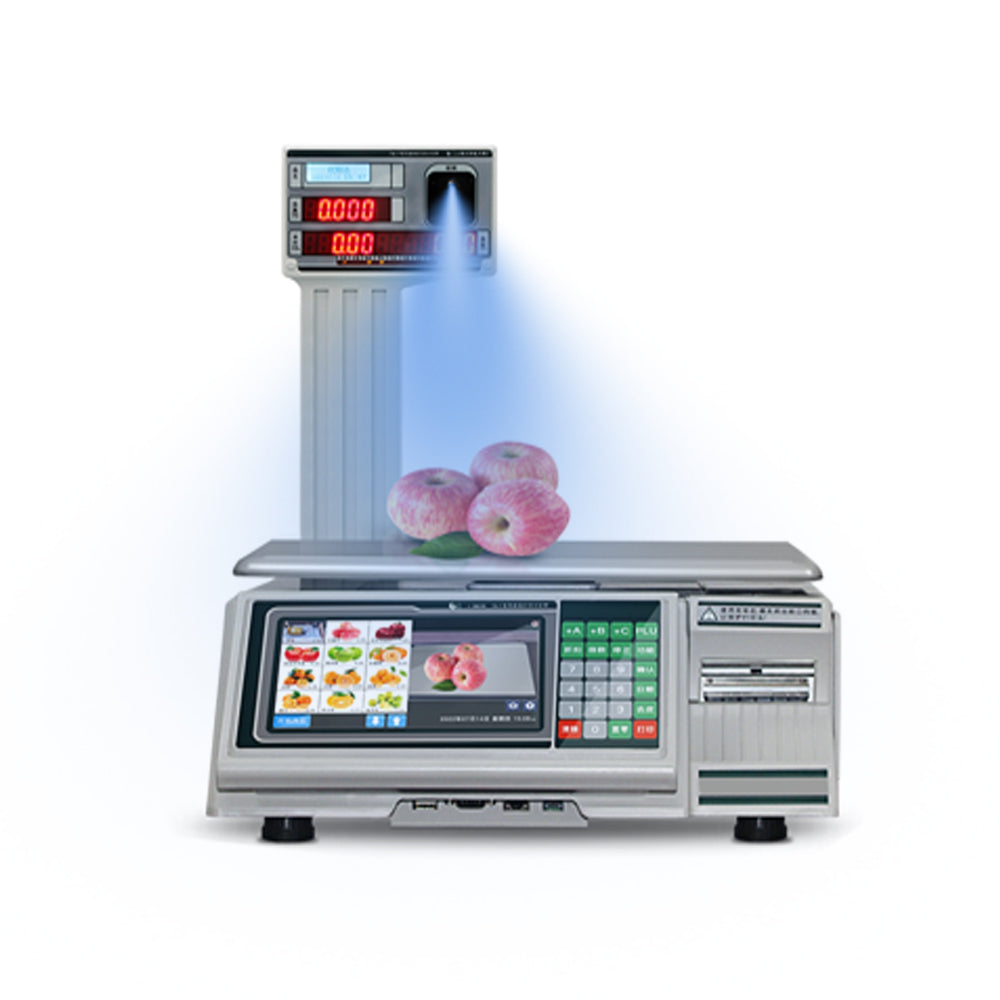
- Optical Capture: A high-definition camera embedded in the scale’s neck or overhead arm captures a clear, birds-eye image of the produce.
- Visual Recognition Processing: The image is analyzed locally by a neural network. This AI is trained on thousands of sample photos, allowing it to instantly distinguish a Granny Smith apple from a Fuji apple based on subtle differences in color gradients, skin texture, and physical geometry.
- Weight Concurrency: While the visual processor identifies the item, the legal-for-trade load cell calculates the weight to the nearest gram.
- Automatic Output: Within 0.3 seconds, the scale’s dual-sided touchscreen presents the matching item (or top 3 most likely options if items look similar). The operator clicks the screen, and the integrated thermal label printer outputs an adhesive barcode label ready for scanning at checkout.
2. Eliminating Retail "Shrinkage" (The Cost of Cashier Fatigue)
In retail accounting, "shrinkage" refers to the loss of inventory due to theft, damage, or administrative errors. In grocery stores, "PLU slip-ups" are one of the leading contributors to high shrinkage rates.
During a hectic weekend rush, cashiers under pressure to keep lines moving will inevitably make mistakes. If they cannot quickly find the PLU for a premium, heavy item like Honeycrisp apples, they might select the code for cheap Red Delicious apples. Over hundreds of transactions a day, this "down-coding" drains thousands of dollars from your net margins.
The TechPOS 30kg AI-Powered Android Scale completely eliminates this administrative leakage. Because the system identifies the product based on actual visual data and matches it directly to your live cloud database, the margin for human error is reduced to virtually zero.
3. Designing a Modern Grocery Hardware Stack: The Essential Integration
For an enterprise-grade fresh food retail setup, your AI scale shouldn't operate in a vacuum. It must communicate seamlessly with your main cash register and POS terminals.
A protocol-perfect integration looks like this:
The Brain: TechPOS 14-Inch Touch POS Terminal
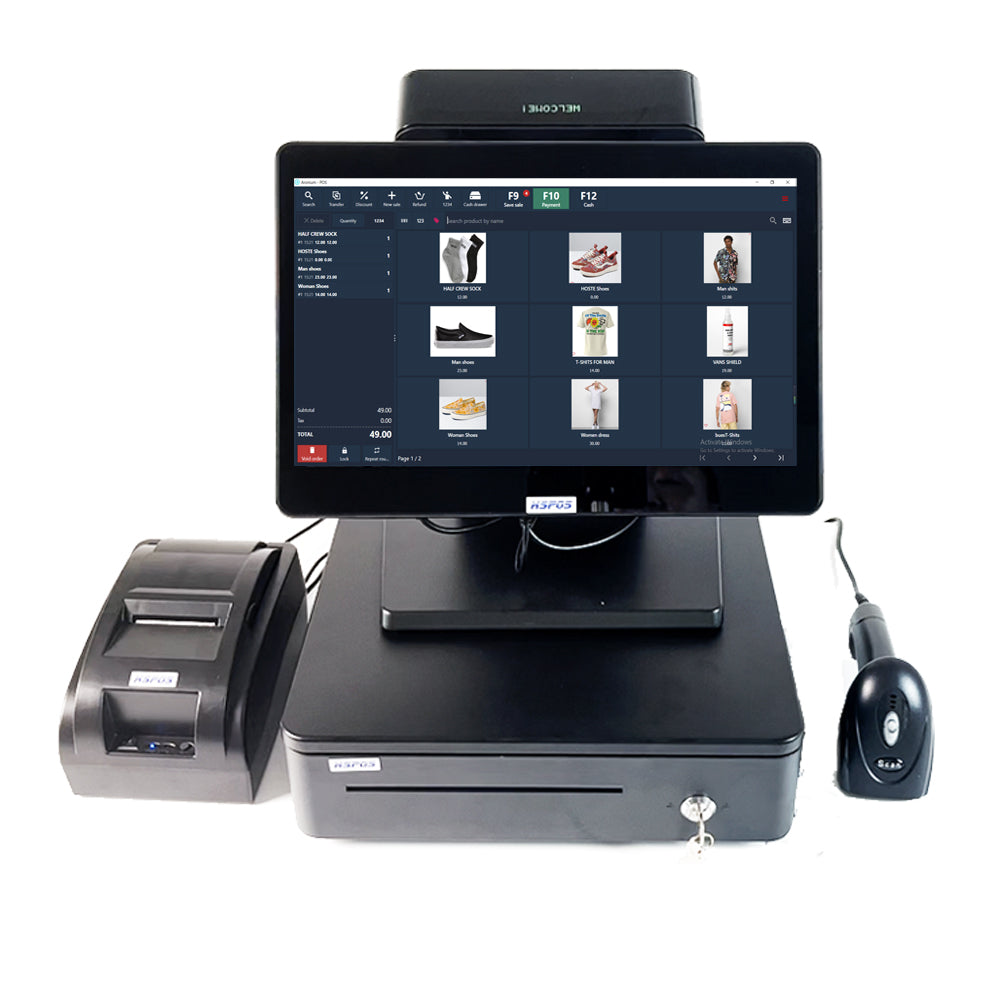
Your cashiers operate from a ruggedized, dual-screen terminal that acts as the local hub. Our 14-inch Windows and Android POS System with Free Software features the necessary serial (RS232) and LAN interfaces to receive data packets directly from your scale network, updating inventory totals in real time.
The Scale: TechPOS 30kg AI Smart Scale
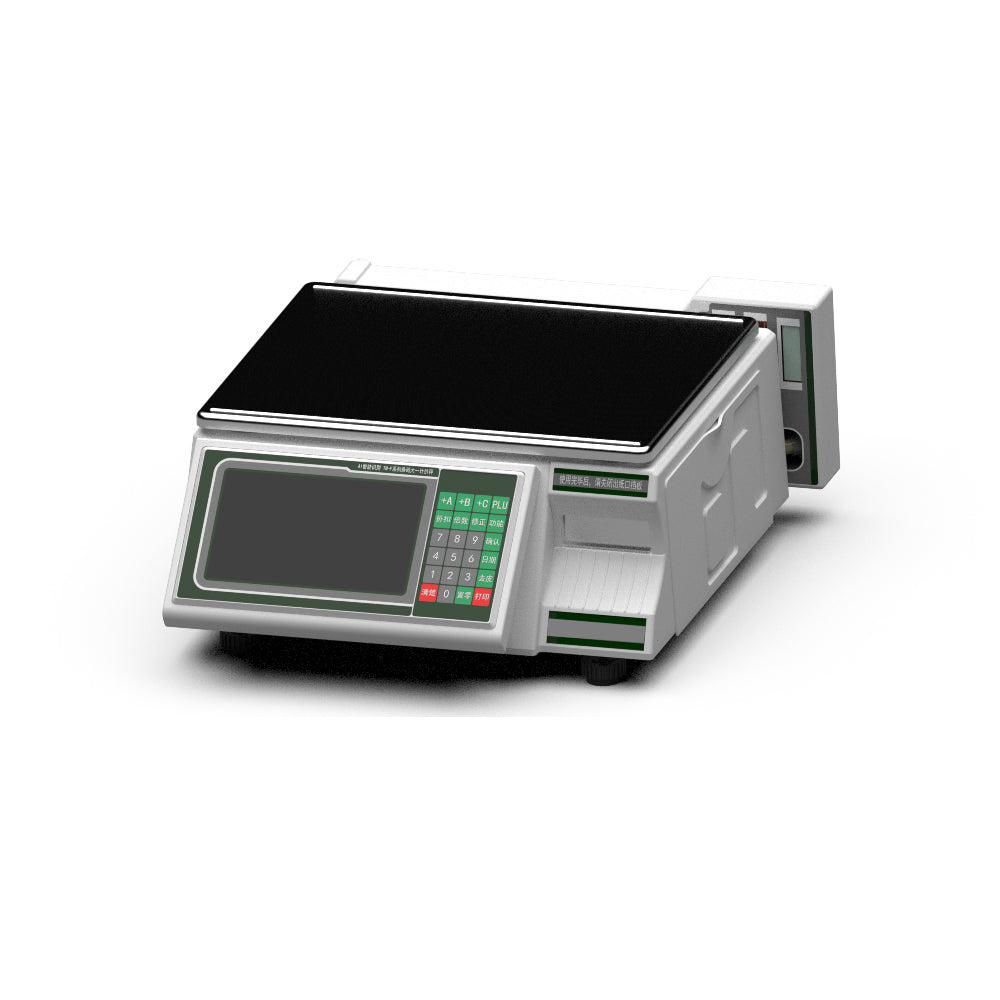
Placed either at a self-service station or directly beside the cashier, our 30kg AI-Powered Android Scale with Label & Receipt Printer acts as the primary weighing engine. It runs on a powerful quad-core Android processor, allowing local AI model inference without relying on a slow, cloud-dependent connection. This ensures that even if your store's internet goes down, your fresh produce weighing continues uninterrupted.
The Printer Network: Unified Receipt & Label Output
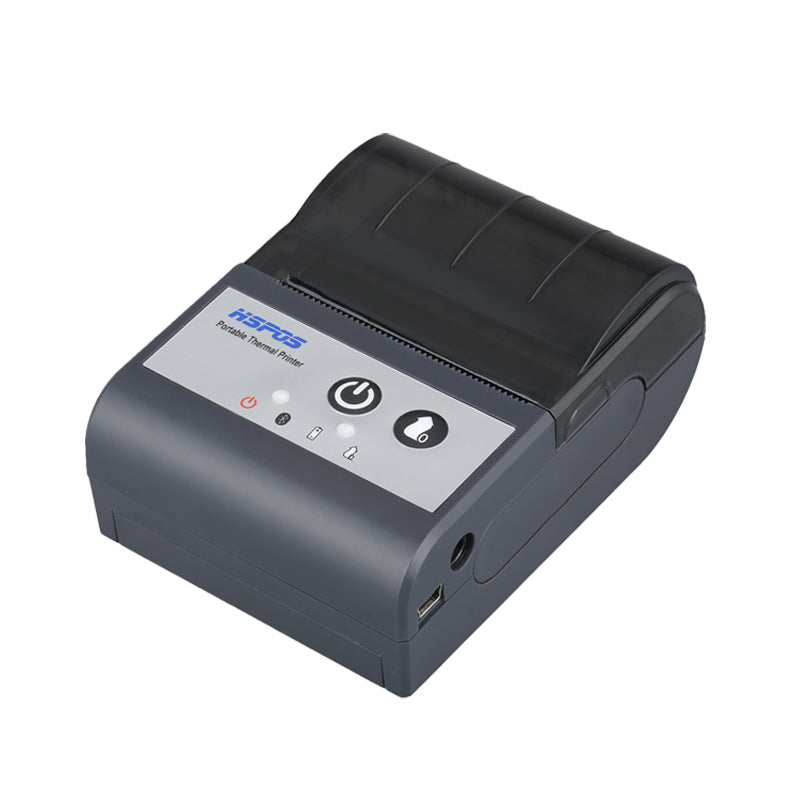
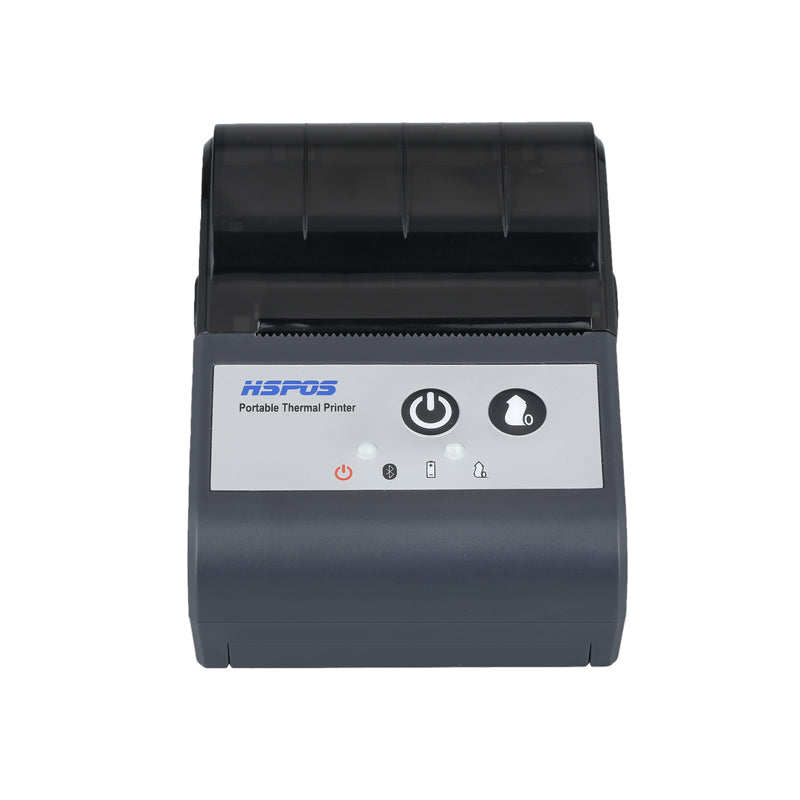
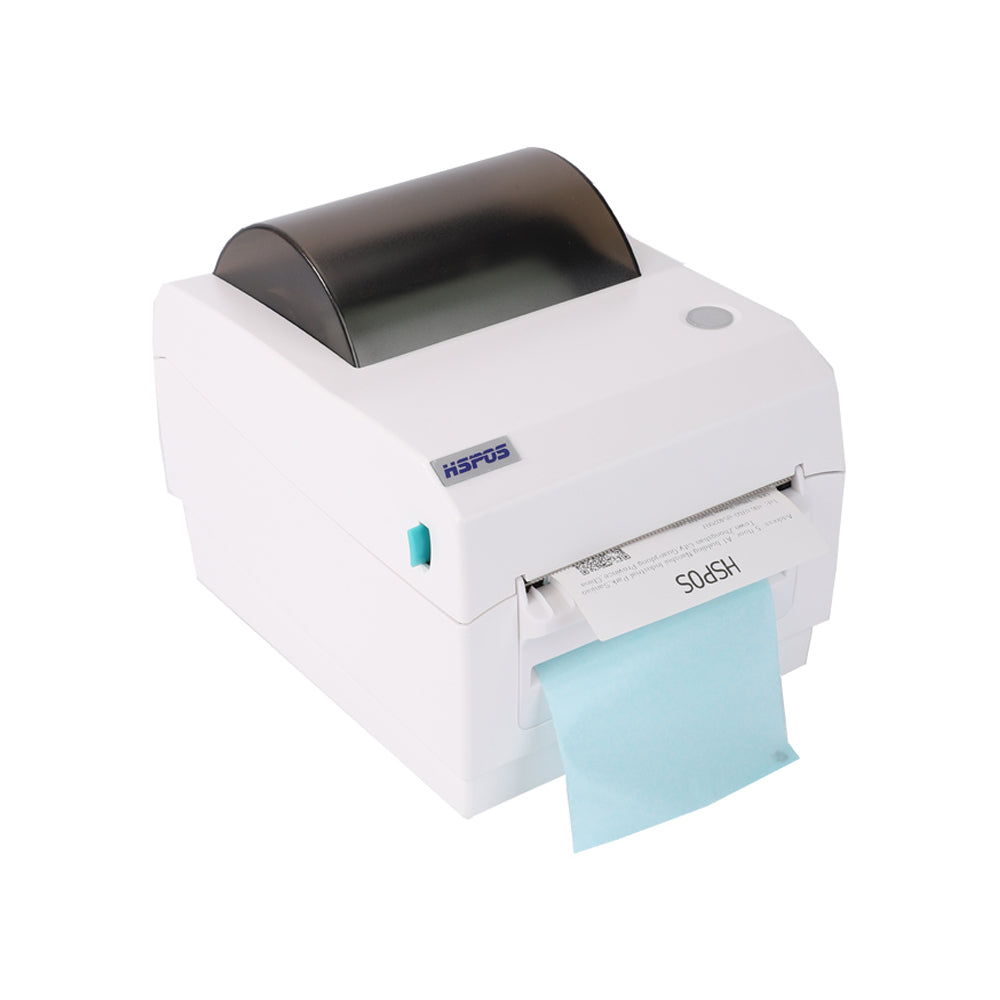
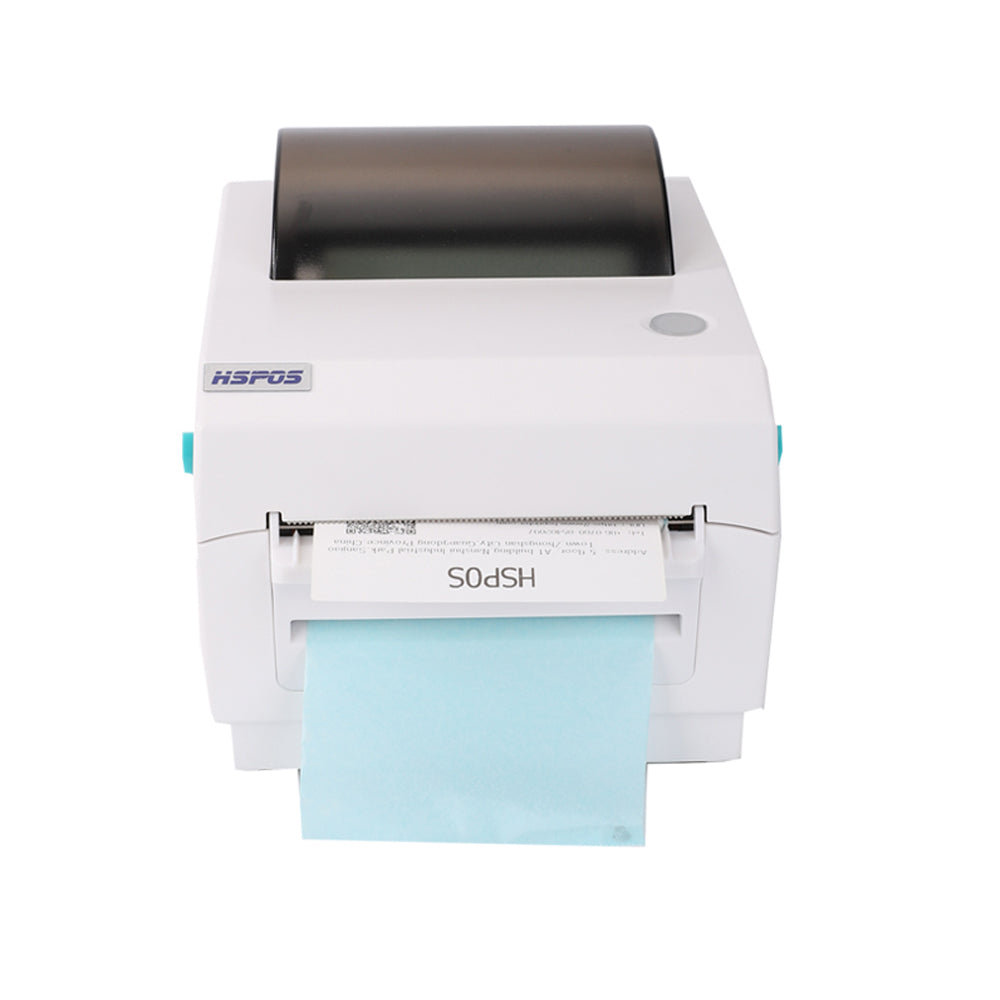
While the scale prints local adhesive labels for bulk packages, your cash register utilizes high-speed receipt printers. By pairing your POS system with the TechPOS HS-M80 Bluetooth/LAN Printer, you ensure that your checkout slips are printed at 250mm/s using industry-standard ESC/POS protocols.
4. Calculating the ROI of Upgrading to AI Scale Hardware
Many independent supermarket owners are hesitant to transition from traditional electronic scales to AI-integrated systems due to upfront hardware costs. However, a simple business analysis reveals a rapid payback period.
Let's look at the financial math for a mid-sized grocery store processing $25,000 in weekly fresh produce sales:
\text{Weekly Produce Revenue} = \$25,000
- Shrinkage Reduction: Typical grocery produce shrinkage due to PLU entry errors is estimated at 1.5% of sales. Implementing an AI scale reduces this to under 0.2%, saving $325 per week in recovered inventory loss.
- Labor Efficiency: Saving an average of 8 seconds per fresh checkout transaction over 1,500 transactions per week translates to 3.3 hours of saved cashier labor. At $20/hour, this saves $66 per week.
- Training Time: New cashiers can be fully operational in 1 day instead of 1 week because they do not need to memorize PLU sheets, saving approximately $200 per new hire in training labor.
The Financial Payback:
\text{Weekly Savings} = \$325 \text{ (Shrinkage)} + \$66 \text{ (Labor)} = \$391/\text{week}
With a weekly savings of $391, a full enterprise-grade AI scale setup pays for itself in less than 6 months. Beyond that point, the recovered margin goes straight to your bottom-line profitability.
Conclusion: Lead Your Retail Store into the Future of Commerce
In a world where customer convenience and speed are the ultimate differentiators, forcing your checkout staff to navigate obsolete PLU sheets is no longer a viable strategy. By equipping your store with AI visual identification technology, you protect your profit margins, de-stress your cashiers, and give your customers the rapid checkout experience they deserve.
Whether you operate a boutique organic market in Vancouver or a bustling grocery hub in Sydney, TechPOS has the local stock and technical engineering support to help you deploy an automated weighing solution seamlessly.
👉 Revolutionize Your Checkout Line: Get the TechPOS 30kg AI-Powered Smart Scale Now
👉 Upgrade Your Cash Register Hub: Order our 14-inch POS Terminal with Free Software
👉 Need High-Speed Printing?: Explore the TechPOS HS-M80 Multi-App Printer
The Ultimate POS Hardware Checklist: Scaling Your Business from Pop-up Shops to Enterprise Fulfillment
The Engineering Choice: 203 DPI vs. 300 DPI — Which Resolution Does Your Business Actually Need?
Related Posts

The Ultimate Fulfillment Tool for E-commerce Sellers: TechPOS TP-K38 High-Speed Thermal Label Printer Review

The Ultimate Guide to Android-Compatible Barcode Printers in Australia & Canada: Reliable Hardware for Shopify & DoorDash

Multi-Platform Integration: Connecting Your 14-inch POS to Shopify, Square, and UberEats

The Future of AI Weighing: How Smart Scales are Transforming Grocery Checkout in 2026

The 2026 Master Guide to Setting Up Multiple Delivery Tablets with the HS-M80 (TP-M30)

Ending the 'Ghost Order' Nightmare: Why Your Kitchen Needs Industrial Concurrency

The Multi-Tablet Revolution: How to Connect 7 Food Delivery Devices to One Bluetooth Printer